The Lab

Reconstitution guides, a growing peptide reference, and bench-ready calculators. For research and educational reference only.

Injection Pen Basics for the Bench and How Cartridges Work
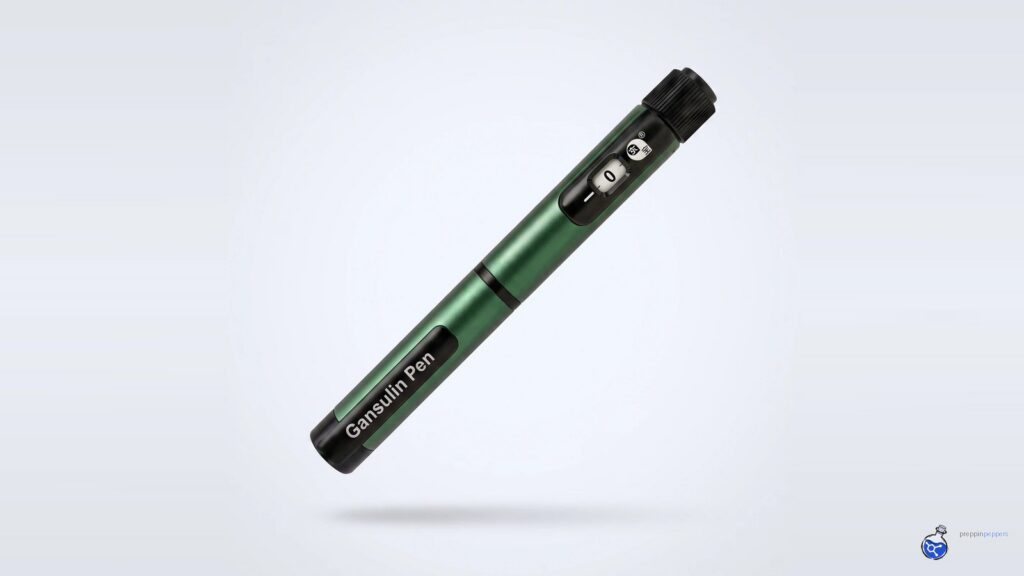
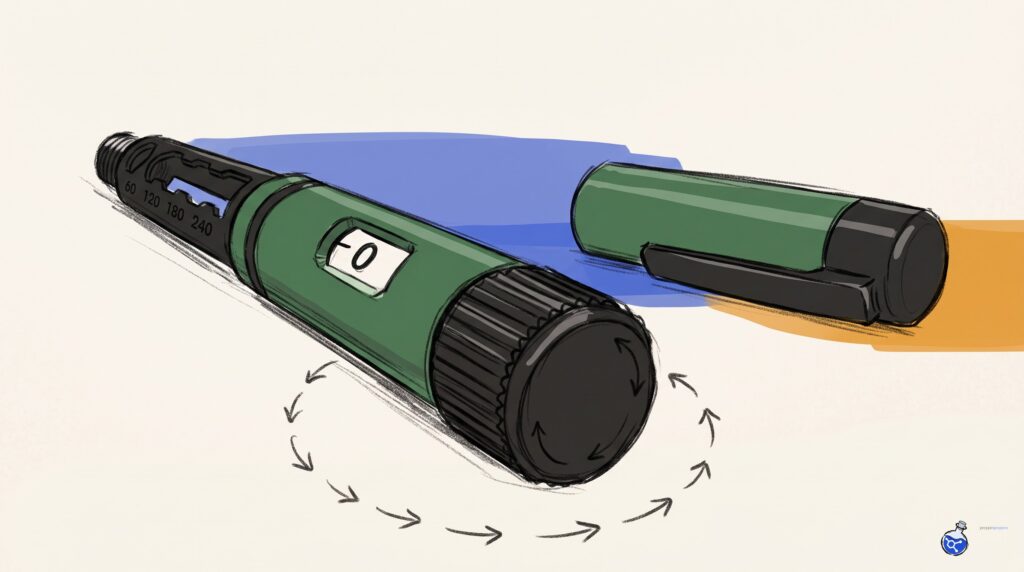
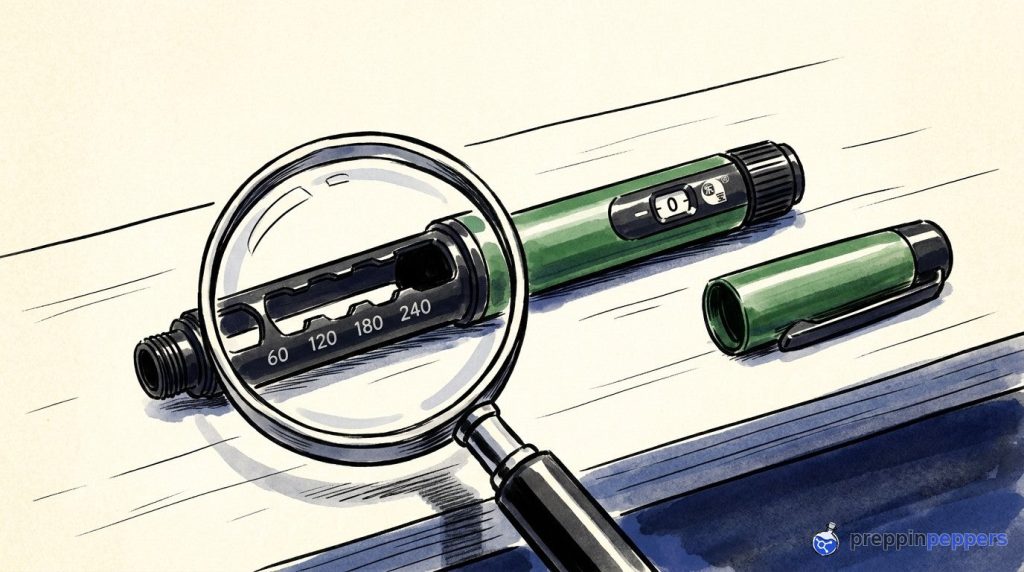
Quick answer: An injection pen is a hand-held, cartridge-based device that pushes a plunger forward in set steps; at the bench, matching pen to cartridge plunger height decides whether the unit scale reads true. Key takeaways All four PreppinPeppers pens are built for the 11 mm long plunger, and plunger height decides whether the unit scale reads true. The plunger is visible and measurable from outside on both clear and amber 3 ml cartridges. For example, 3 ml / 300 units = 0.01 ml per unit on the scale, but... Read more...
Bacteriostatic Water for Peptides Explained for the Bench
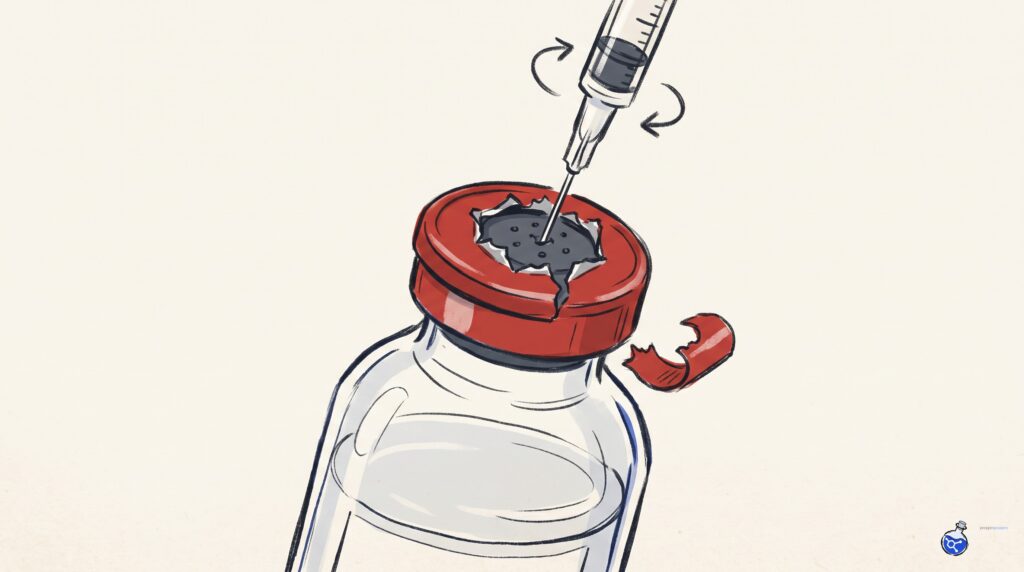
Quick answer: Bacteriostatic water is sterile water with benzyl alcohol added as a preservative, sold in multiple-dose vials; sterile water has no preservative and comes in single-dose containers. Key takeaways... Read more...
Insulin needles pen fit and the units a needle wastes
Quick answer: Insulin pen needles are screw-on needles that thread onto a reusable pen. All four PreppinPeppers pens take universal 28G to 33G needles, and no pen or kit includes... Read more...
Bacteriostatic water vial sizes: 3 mL vs 10 mL vs 30 mL
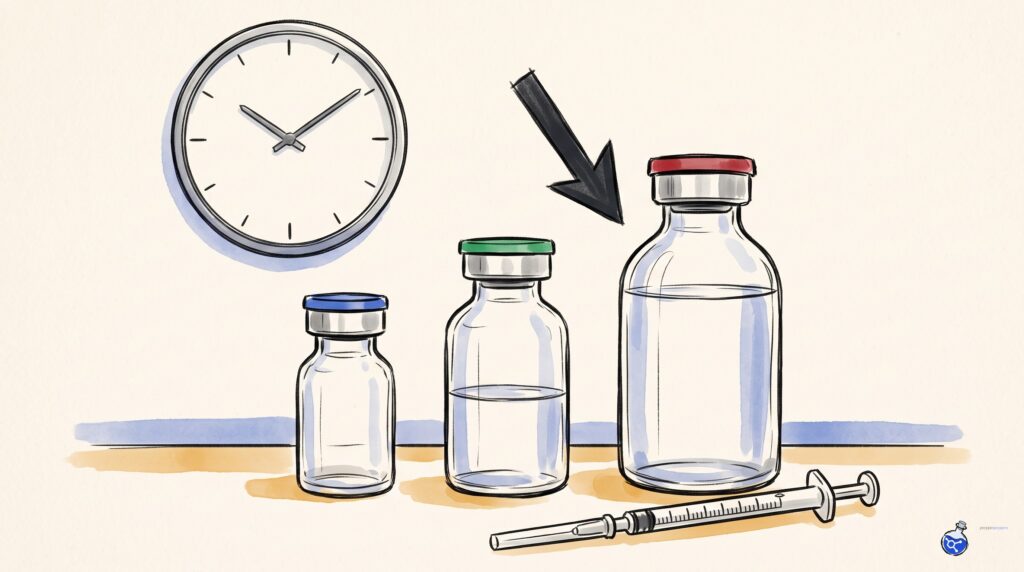
Quick answer: Buy the smallest vial that covers the water you will draw in the 28 days after you first puncture it. For one reconstitution at a time that is... Read more...
Click Dial vs Auto Dispense Reconstitution Pen Compared
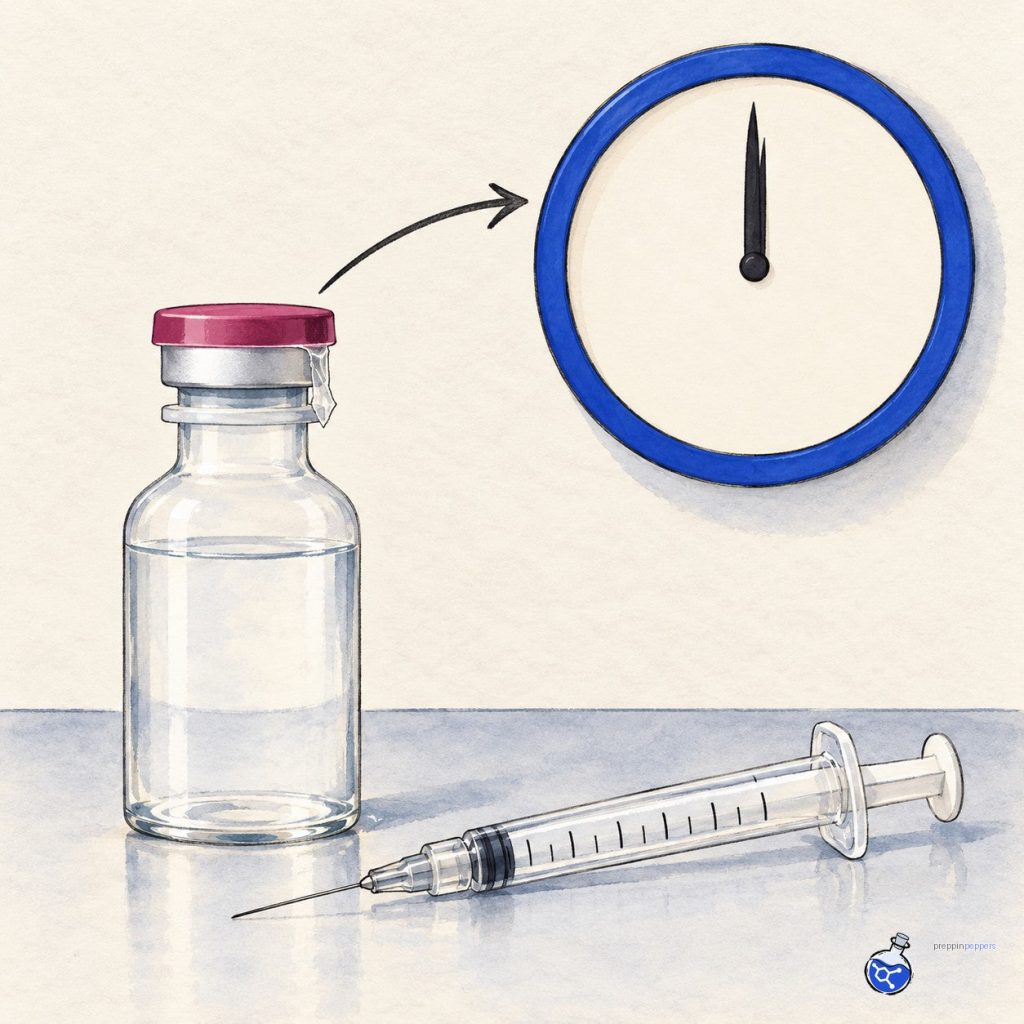
Quick answer: Click dial and auto dispense pens differ mainly in how a volume is set: a click dial pen meters it by counting audible dial clicks, one click per... Read more...
What Is Bacteriostatic Water? Why Your Vial Has a Clock
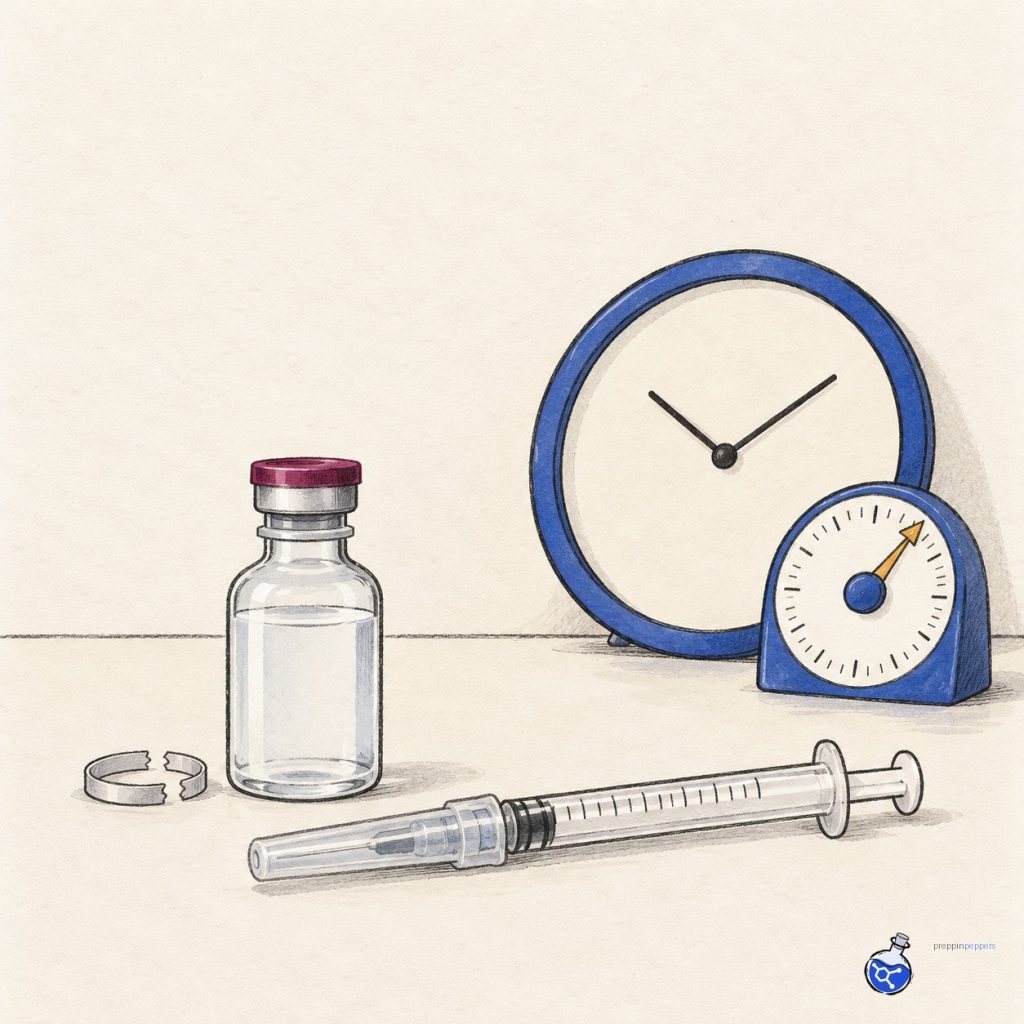
Bacteriostatic water is sterile water for injection with 0.9% or 1.1% benzyl alcohol added as a preservative, which lets a vial be withdrawn from more than once instead of discarded... Read more...
How long does bacteriostatic water last after opening?
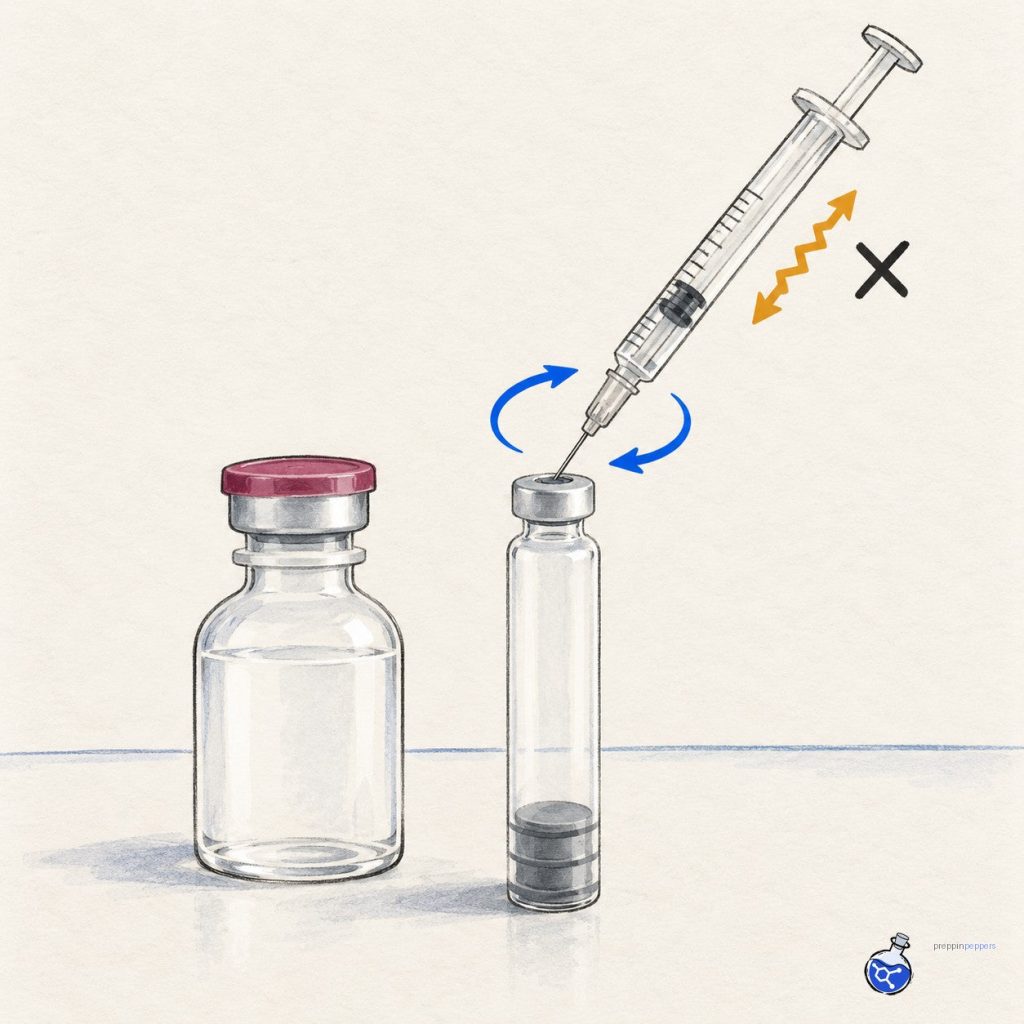
Multi-dose bacteriostatic water vials generally follow the FDA's 28-day after-first-use window for multi-dose sterile vials, since the benzyl alcohol preservative slows contamination risk but doesn't reset it with each draw. Read more...
Peptide reconstitution mistakes that waste your vials
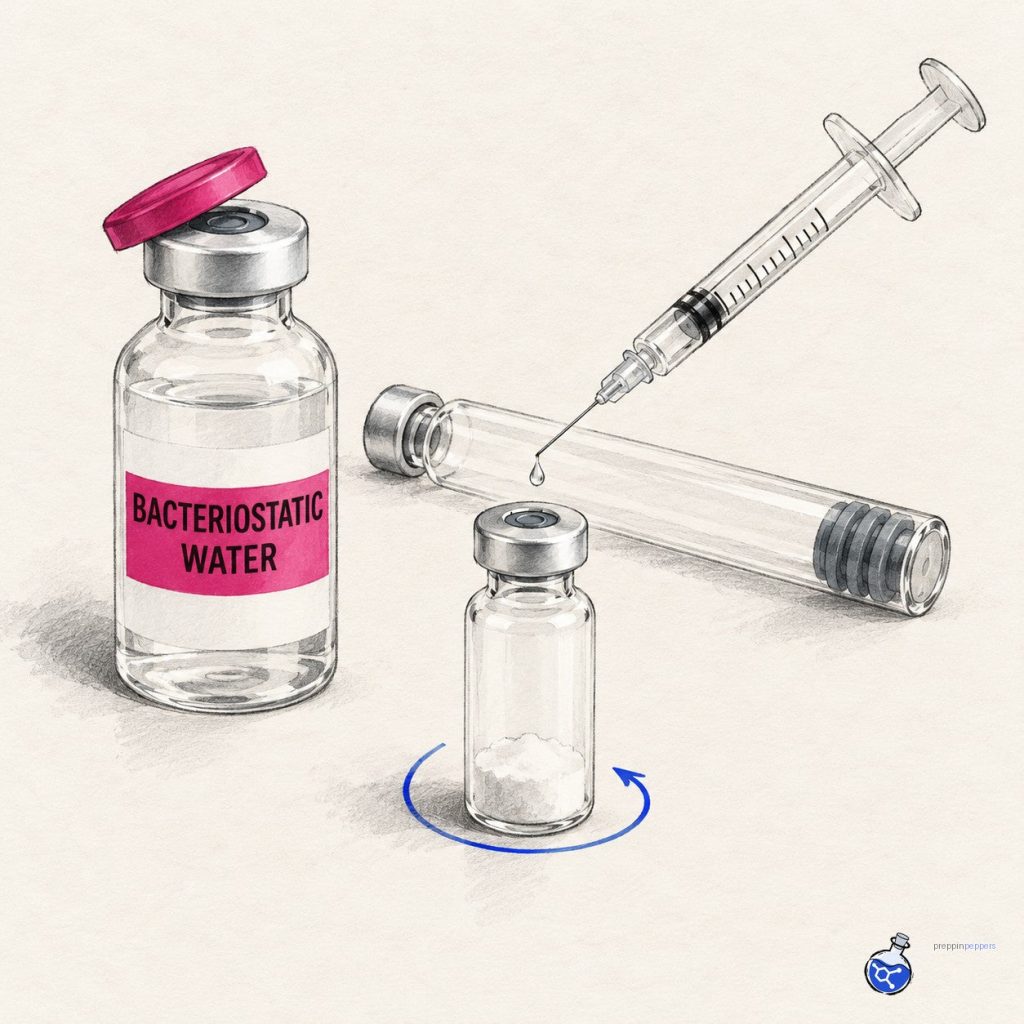
The most common peptide reconstitution mistakes are picking the wrong diluent, shaking instead of swirling, skipping the clarity check, and miscalculating concentration, any one of which can ruin a vial... Read more...
How to reconstitute tesamorelin without wasting your vial
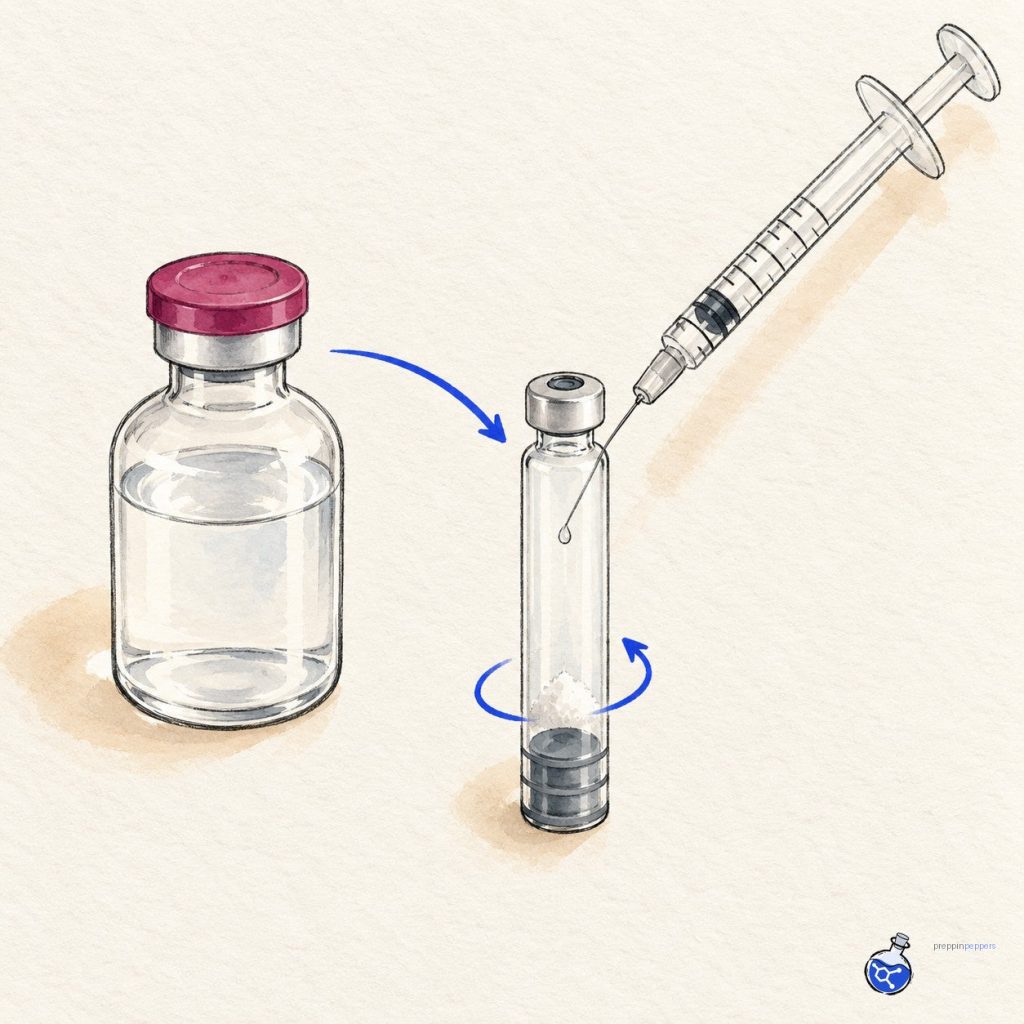
To reconstitute tesamorelin, add the labeled diluent to the powder, mix by gentle rolling or swirling (never shaking), confirm the solution is clear, then use it immediately. Read more...
How to reconstitute peptides without wasting a single vial
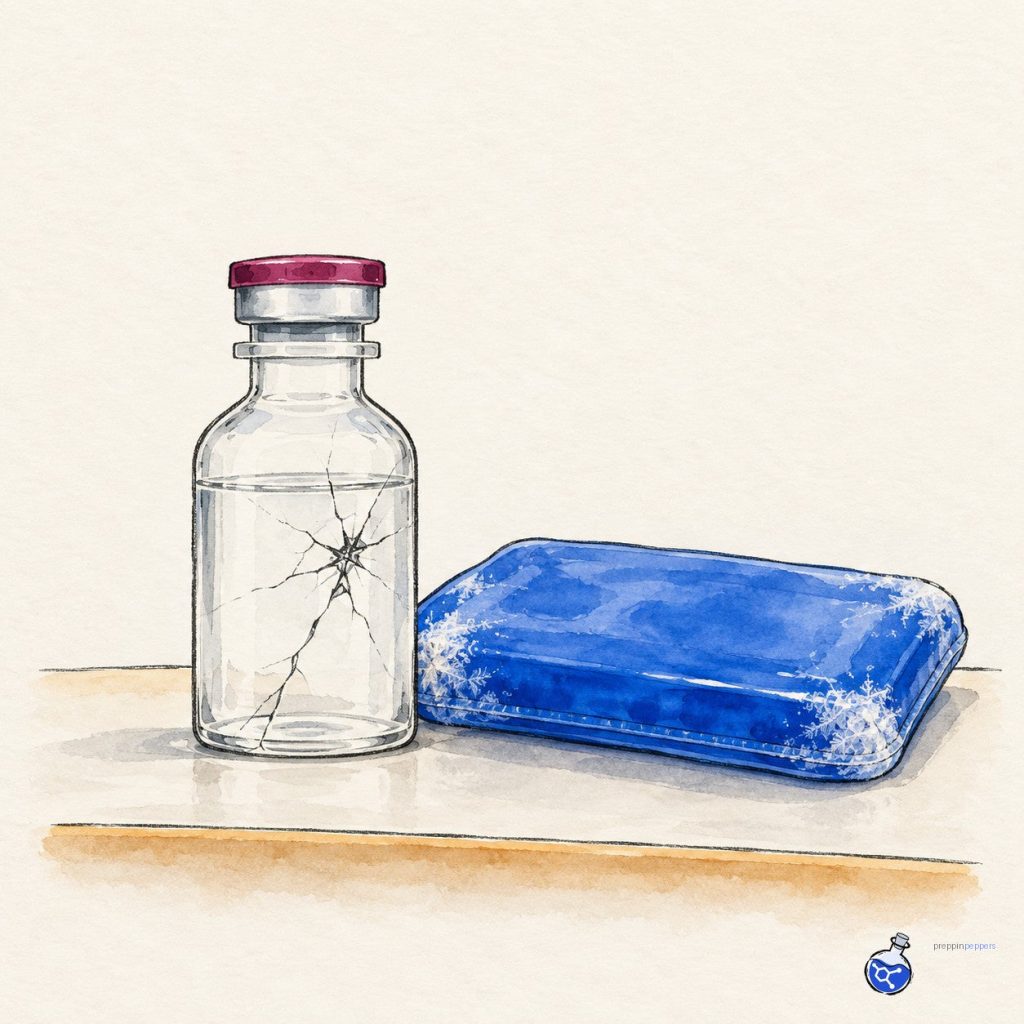
To reconstitute a peptide, add diluent (sterile or bacteriostatic water) into the vial against the glass wall, swirl gently without shaking, then confirm the solution is clear before use. Read more...
Bacteriostatic Water: The Complete Research Guide
Quick answer: Bacteriostatic water is sterile water for injection with 0.9% benzyl alcohol added as a preservative. Because the preservative inhibits microbial growth, one multi-dose vial can be punctured repeatedly... Read more...
The pen needle length mistake that skews your peptide math
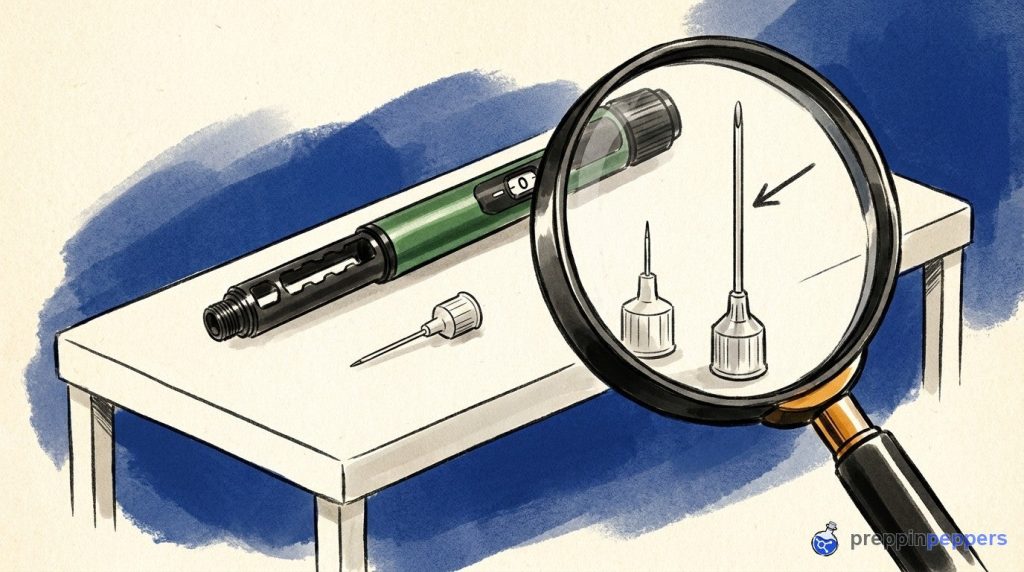
A pen needle is the small, single-use needle tip that screws onto the click-dial mechanism of a metal peptide pen, used to move liquid into or out of a glass... Read more...
Why your prefilled peptide pen's dial can't be trusted
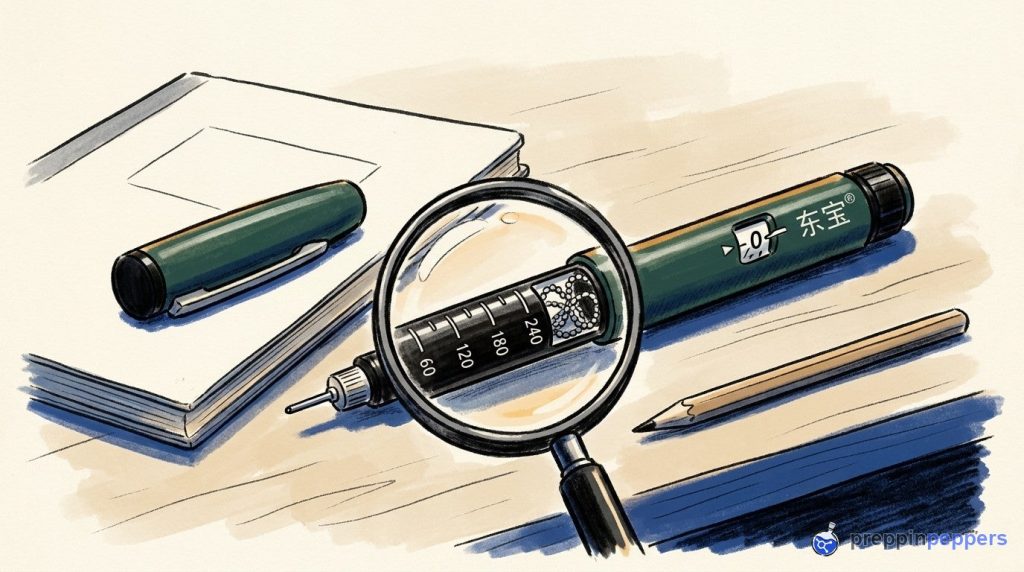
A prefilled peptide pen is a single-use injector shipped pre-loaded with a sealed glass cartridge of peptide solution and diluent, mixed and sealed by the manufacturer before it reaches the... Read more...
The peptide pen spec everyone ignores until it costs you
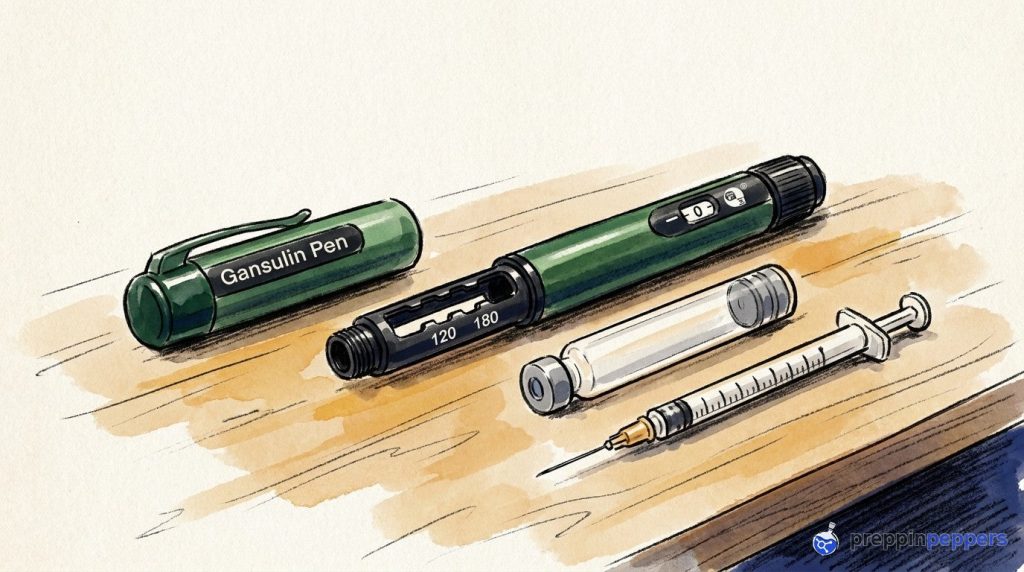
A peptide pen is reusable research hardware that holds a glass cartridge and meters small, repeatable volumes. The pen itself never contacts the peptide. Quick answer: The best peptide pens... Read more...
Reusable Auto-Injector Pens vs. Click-Dial Pens: What Actually Matters on the Bench
Spring-assisted auto-dispense pens and manual click-dial pens meter volume identically — the difference is delivery. How the two reusable mechanisms compare as bench hardware. Read more...
What decides degradation speed, and why it matters to you
MTREC is a two-part yeast protein machine built from the helicase Mtl1 and its partner Red1. It captures unwanted RNA inside the cell and hands it off to the exosome... Read more...
Why your peptide pen's click dial quietly cheats your math
Quick answer: A reusable peptide pen is a metal or hard-plastic barrel that holds a swappable 3 ml glass cartridge and uses a mechanical click dial to meter repeatable volumes... Read more...
Vilon Peptide: Reference Overview and Reconstitution Notes
Vilon is a synthetic dipeptide (lysine-glutamate) from the Khavinson short-peptide bioregulator family, studied mainly in Russian immune and aging literature. It is research-only and not FDA-approved. Read more...
Hyaluronic acid: Reference Overview and Reconstitution Notes
Hyaluronic acid is a glycosaminoglycan, not a peptide. It is FDA-approved in specific device forms including dermal fillers, joint viscosupplements and ophthalmic products. Read more...
Glutathione: Reference Overview and Reconstitution Notes
Glutathione is an endogenous tripeptide antioxidant (glutamate-cysteine-glycine). Oral forms are sold as dietary supplements; injectable glutathione is not approved by any regulator for the uses it is often marketed for. Read more...
AICAR: Reference Overview and Reconstitution Notes
AICAR is an AMP-mimetic nucleoside and AMPK activator, not a peptide. It is PROHIBITED at all times under WADA S4.5 and has been since 2009. Read more...
AHK-Cu: Reference Overview and Reconstitution Notes
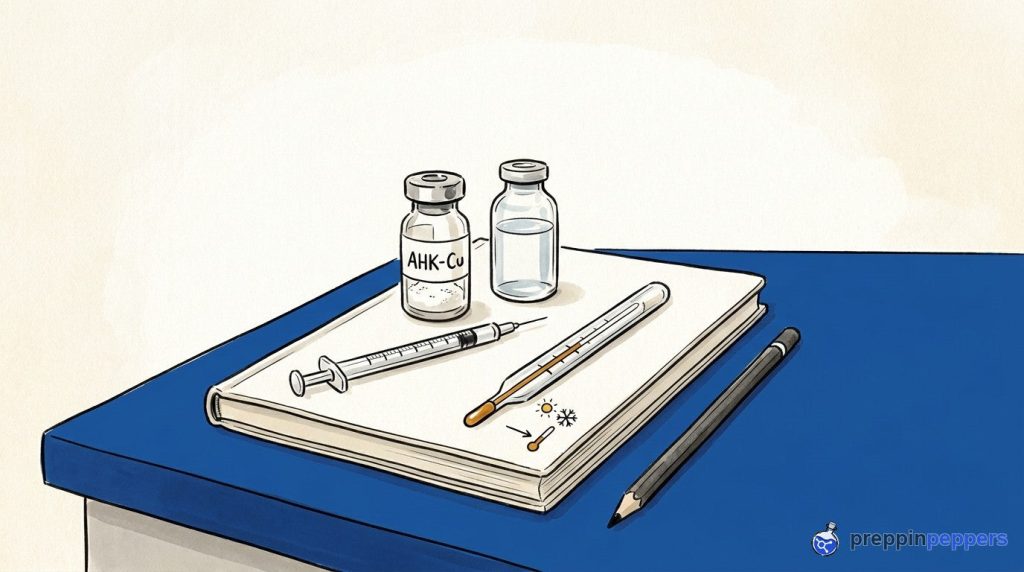
AHK-Cu is a copper-binding tripeptide (alanine-histidine-lysine) studied in hair follicle and skin research; it is research-only and not FDA-approved, and not approved by any regulator for use in people. Read more...
Adipotide: Reference Overview and Reconstitution Notes
Adipotide (FTPP) is a synthetic proapoptotic peptidomimetic studied in obesity research; it is not approved by any regulator, and its clinical development was discontinued after dose-limiting kidney toxicity. Read more...
Retatrutide + Tirzepatide: What the Pairing Actually Is

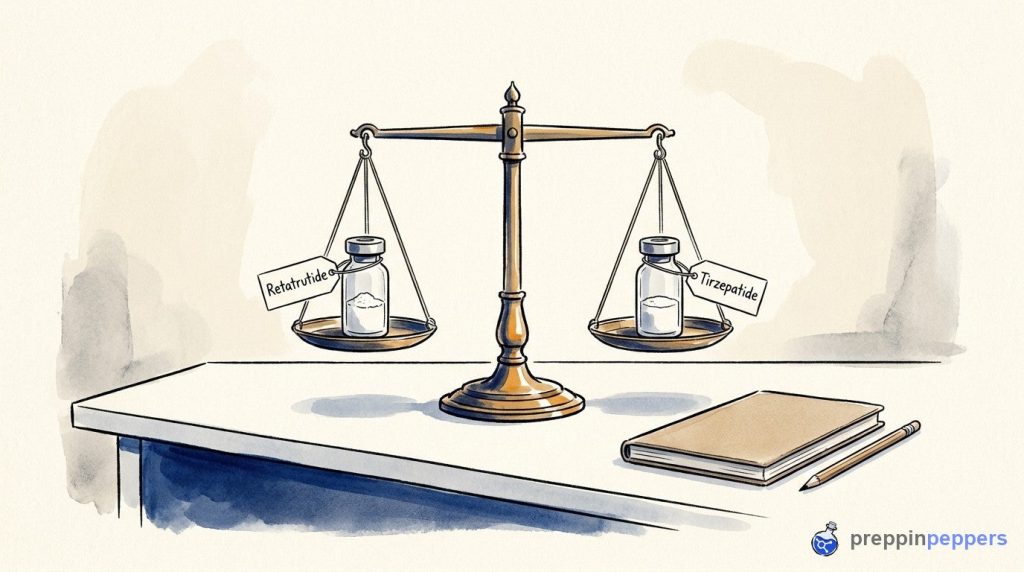
Retatrutide, a triple GLP-1/GIP/glucagon agonist, paired with Tirzepatide, a dual GIP/GLP-1 agonist. Educational lab reference on an untested peptide combination. Read more...
Get more of The Lab in your Google results