The Lab

Reconstitution guides, a growing peptide reference, and bench-ready calculators. For research and educational reference only.

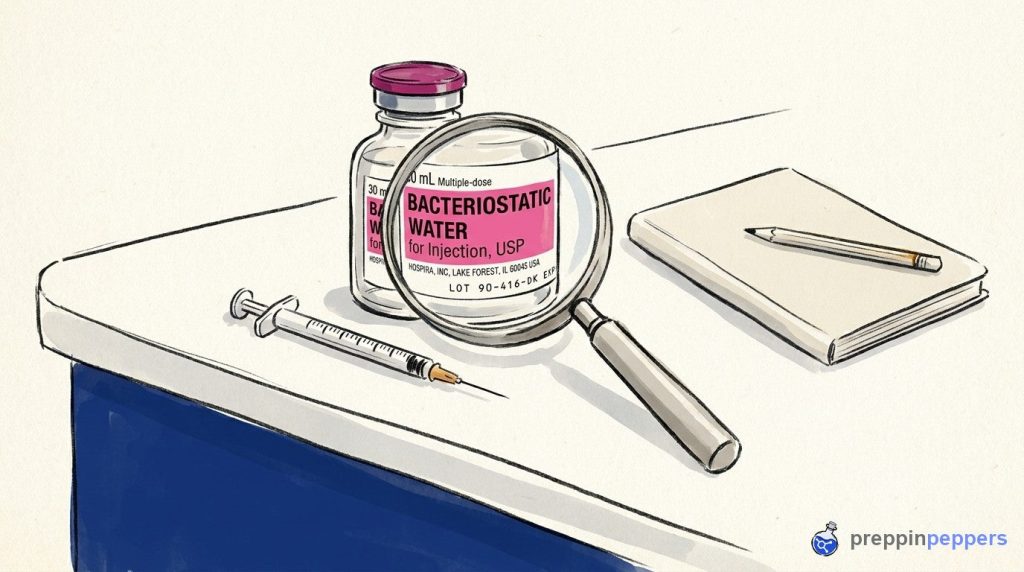
How to Buy Genuine Bacteriostatic Water: A Verification Guide
Genuine bacteriostatic water is a 30 ml USP multi-dose vial with 0.9% benzyl alcohol. Learn to verify the NDC, seals, and lot before you buy. Read more...
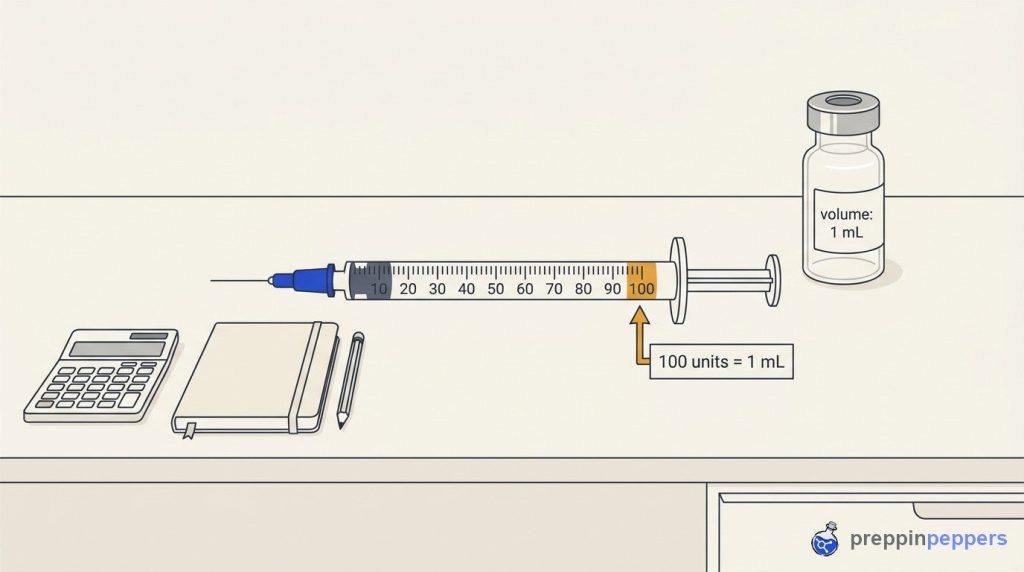
Peptide Reconstitution Calculator (Free) — Plus 5 Tools Compared
Free peptide reconstitution calculator — get concentration, draw volume, and syringe units instantly, then see how 5 tools compare. Read more...
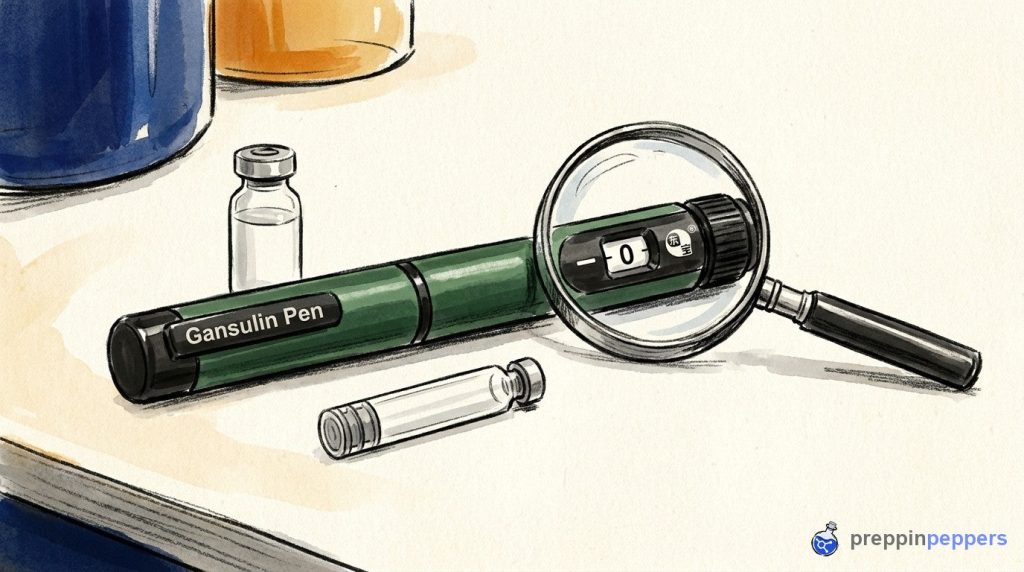
Best Reusable Pens for Research Reconstitution: The Gansulin Metal Pen
Reusable pens for research reconstitution deliver consistent measured volumes from every vial — see how the Gansulin Metal Pen performs as lab hardware. Read more...
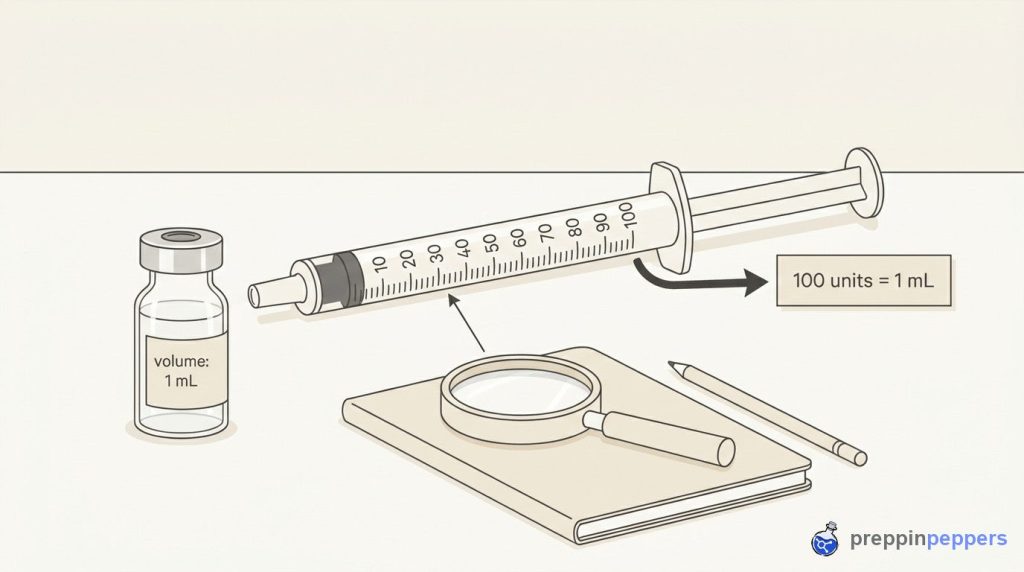
U-100 Units to Draw: The Reddit Explainer
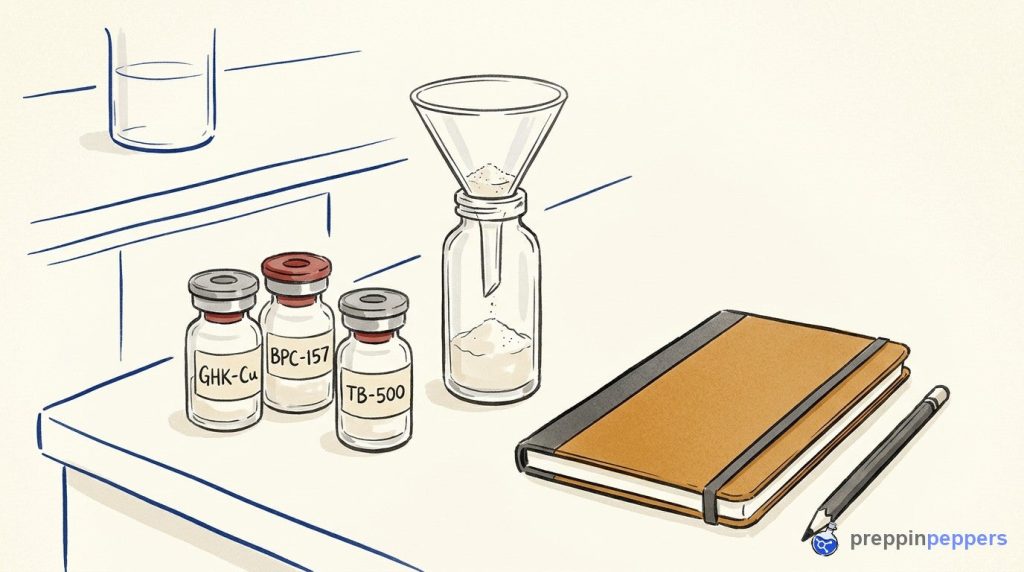
Confused by U-100 units on a syringe? We fact-check the top Reddit peptide questions and break down the reconstitution math for lab research reference. Read more...
GLOW Blend: GHK-Cu + BPC-157 + TB-500
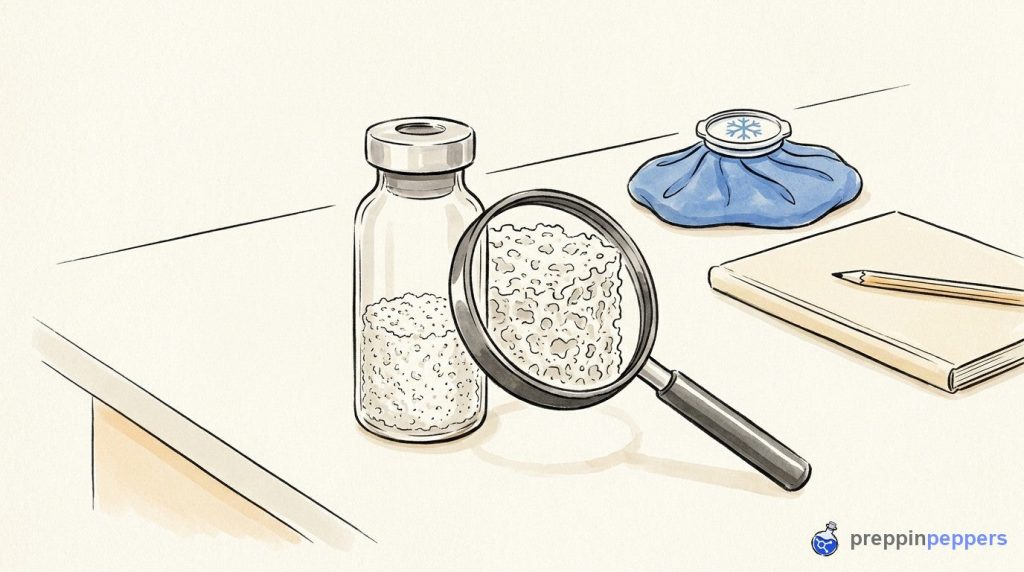
GLOW Blend explores GHK-Cu combined with BPC-157 and TB-500 for research. Learn how this copper-peptide trio reconstitutes with Preppin Peppers hardware. Read more...
What Does Lyophilized Mean?

A plain-language reference explaining lyophilization (freeze-drying), why research materials are supplied as a dry cake, and what happens chemically when that cake is reconstituted. Read more...
What Is a Peptide?

A plain-language reference explaining what a peptide is, how peptide bonds link amino acids, and how peptides are distinguished from proteins by chain length. Read more...
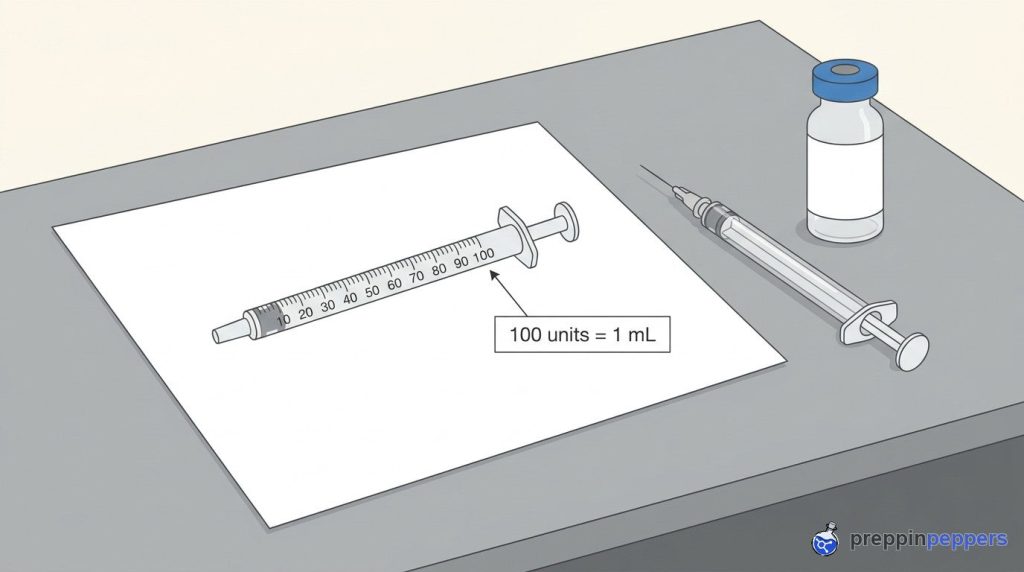
U-100 vs U-40 Syringes: What the Numbers Mean

A reference explainer covering what the U-100 and U-40 scales mean, the units-per-milliliter behind each, and why reading the wrong scale produces measuring errors. Read more...
Survodutide: Reference Overview and Reconstitution Notes
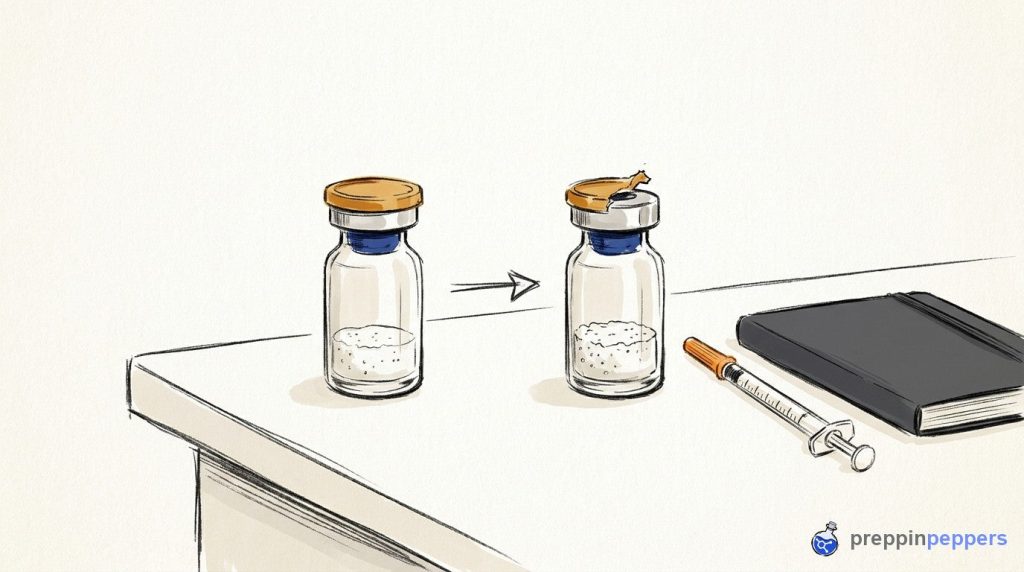
Survodutide is an investigational glucagon receptor and GLP-1 receptor dual agonist peptide studied in the metabolic and weight-regulation category, and it is not FDA approved. Read more...
Sterile Technique for Handling Vials

A plain-language reference on aseptic handling of laboratory vials, covering clean work surfaces, wiping stoppers with alcohol, single-use swabs, and avoiding contact with the stopper or needle. Read more...
SS-31 (Elamipretide): Reference Overview and Reconstitution Notes
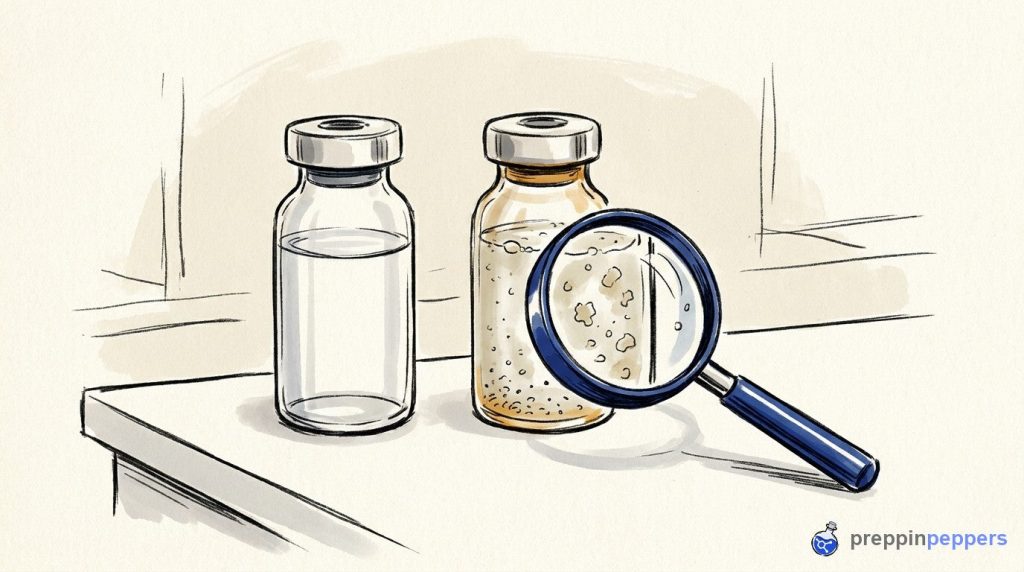
SS-31 (elamipretide) is a mitochondria-targeting tetrapeptide grouped with cellular energy and mitochondrial-function research compounds. It has received regulatory clearance for one rare indication (Barth syndrome), while remaining investigational and not... Read more...
Signs a Reconstituted Vial Has Gone Bad
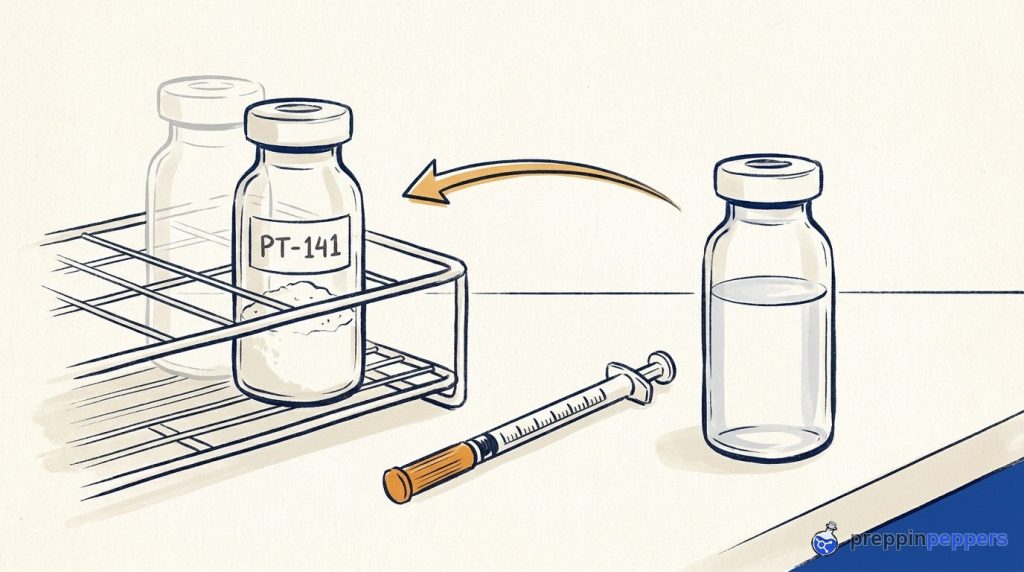
A reference guide to the visual and physical cues, such as cloudiness, color change, and particulates, that indicate a reconstituted research vial should be set aside. Read more...
PT-141 (Bremelanotide): Reference Overview and Reconstitution Notes
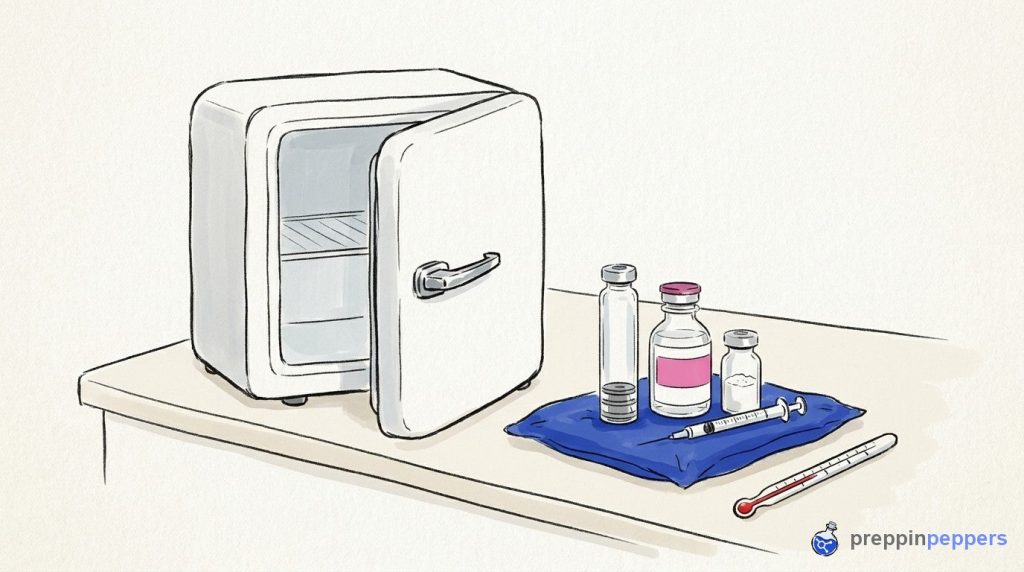
PT-141 (bremelanotide) is a synthetic melanocortin receptor agonist peptide grouped with reproductive and sexual-health compounds, and it holds a narrow FDA approval for one specific indication. Read more...
How to Store Reconstituted Peptides: Fridge, Freezer and Light

A plain-language reference on how lyophilized and reconstituted research peptides are stored across refrigerator and freezer temperatures, with notes on light exposure and freeze-thaw handling. Read more...
Peptide Research Glossary

A plain-language glossary defining common peptide research terms, including reconstitution, lyophilized, concentration, U-100, bacteriostatic water, aliquot, diluent, and the units mcg, mg, and IU. Read more...
MOTS-c: Reference Overview and Reconstitution Notes
MOTS-c is a 16-amino-acid mitochondrial-derived peptide grouped with metabolic and mitochondrial-function research compounds, not approved by any regulator for any indication and prohibited under the WADA Prohibited List as an... Read more...
MK-677 (Ibutamoren): Reference Overview and Reconstitution Notes

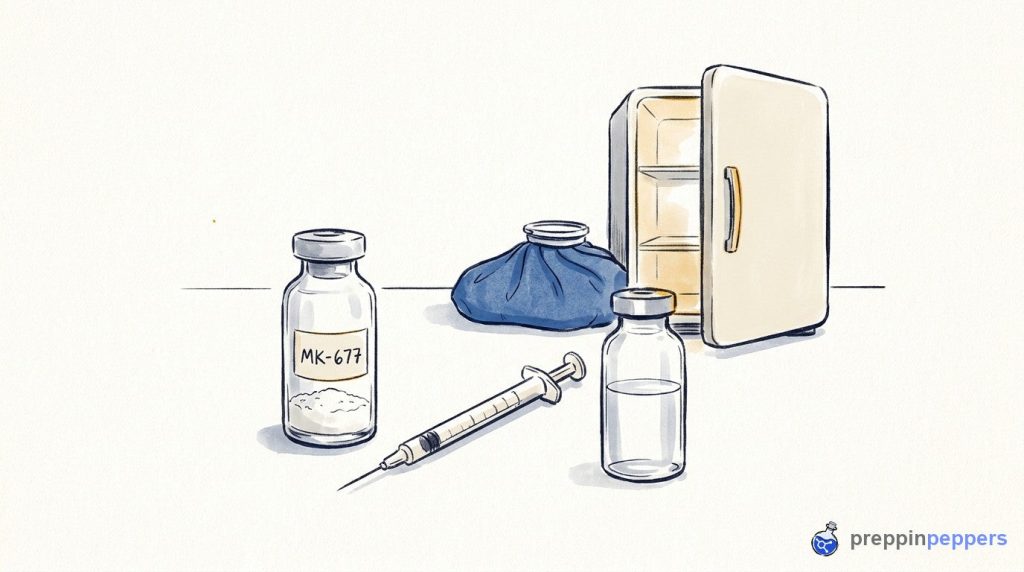
MK-677 (Ibutamoren) is a non-peptide, orally active small molecule in the growth-hormone secretagogue / ghrelin-mimetic class, studied within metabolic and growth-hormone-axis research, and it is not FDA-approved (research-only). Read more...
Insulin Syringe Sizes and Gauges Explained
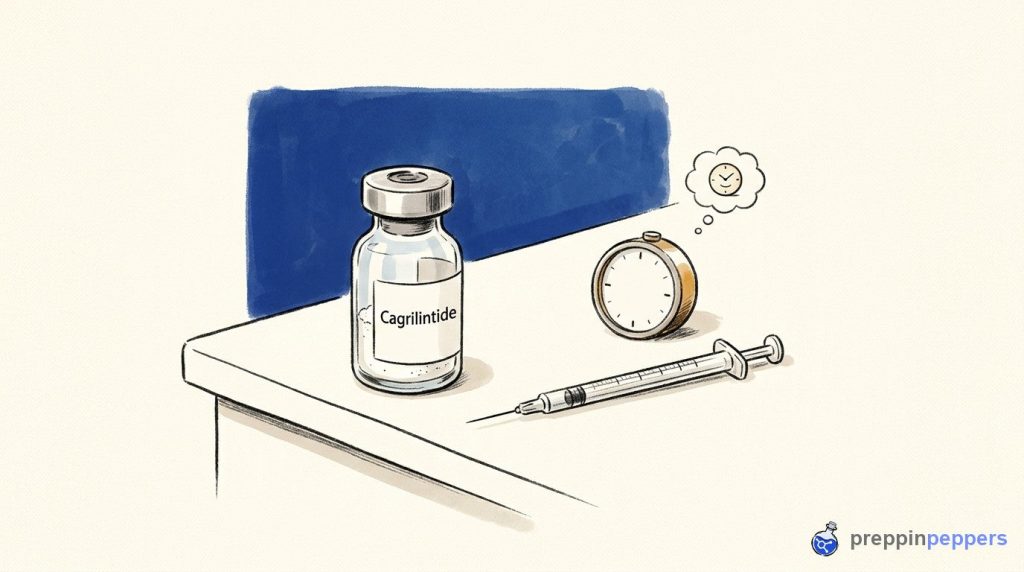
A plain-language reference to insulin syringe barrel volumes, needle gauge and length, and what the U-100 marking means. Read more...
Cagrilintide: Reference Overview and Reconstitution Notes

Cagrilintide is a long-acting amylin analog peptide grouped under metabolic and weight-regulation research, and it remains investigational, not approved by any regulator for any indication. Read more...
Get more of The Lab in your Google results