
The Lab

Reconstitution guides, a growing peptide reference, and bench-ready calculators. For research and educational reference only.

What the tirzepatide sleep apnea trial means for vial storage and handling
Quick answer: SURMOUNT-OSA (Malhotra et al., N Engl J Med 2024) was two phase 3, double-blind, randomized, controlled trials of tirzepatide against placebo in adults with moderate-to-severe obstructive sleep apnea... Read more...
Why your prefilled peptide pen's dial can't be trusted
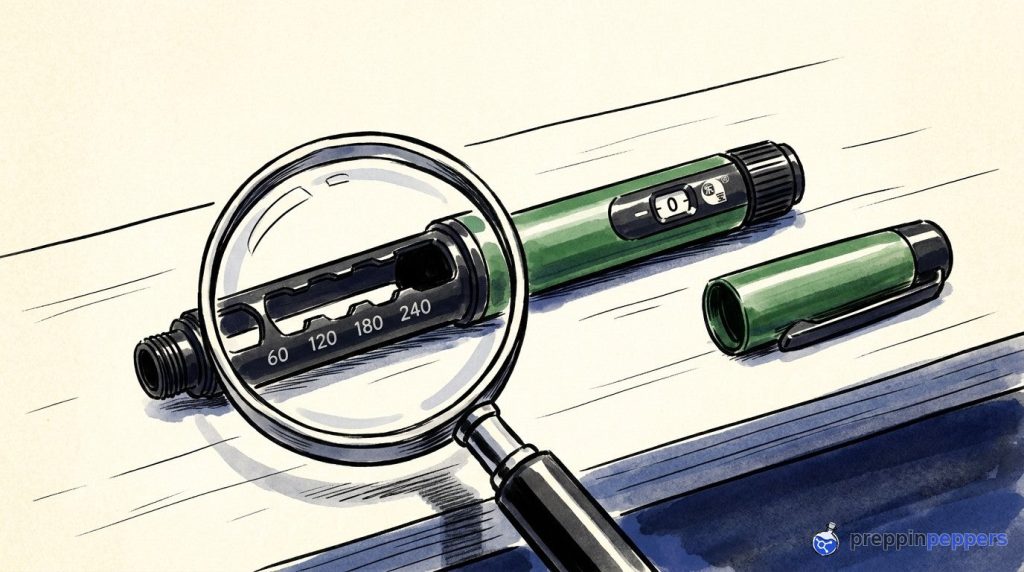
A prefilled peptide pen is a single-use injector shipped pre-loaded with a sealed glass cartridge of peptide solution and diluent, mixed and sealed by the manufacturer before it reaches the... Read more...
Pen hardware pack sizes: what the bigger pack really saves
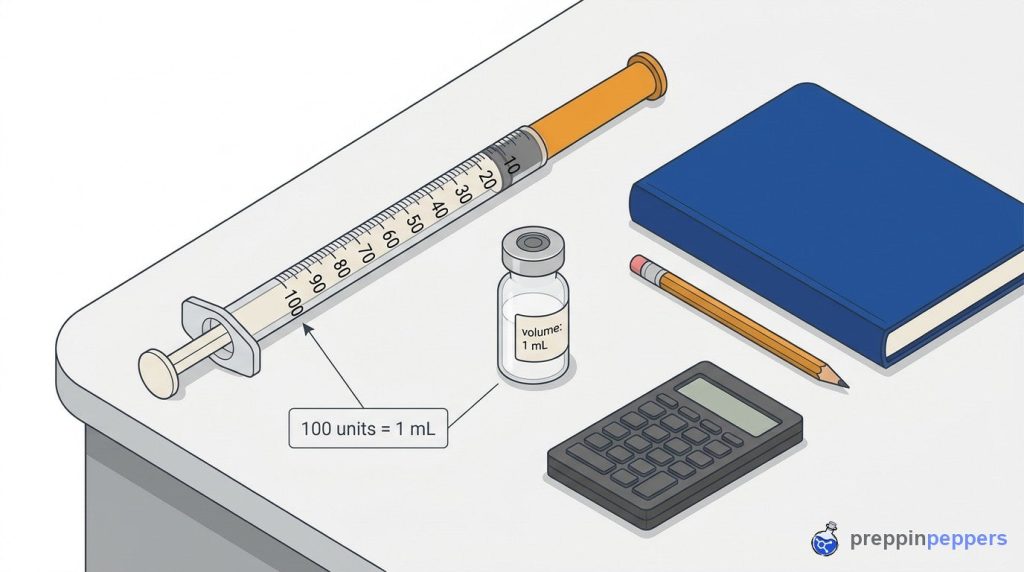
Pen hardware pack sizes describe how reusable-pen supplies are priced on a per-unit ladder: every pen, glass cartridge and bacteriostatic water vial carries a single-unit price, and each pack size... Read more...
Why your GLP-1 vial math drifts after 14 weeks of use
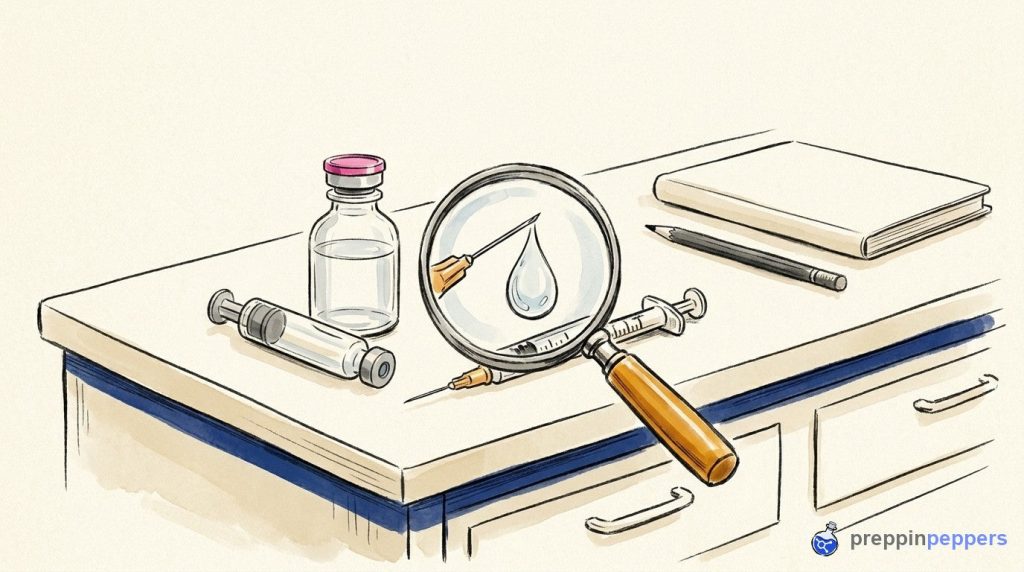
A reconstituted GLP-1 research vial is lyophilized peptide powder dissolved in bacteriostatic water, a sterile water carrying a small amount of preservative such as benzyl alcohol to limit bacterial growth... Read more...
Why your reconstitution routine is quietly wasting vials
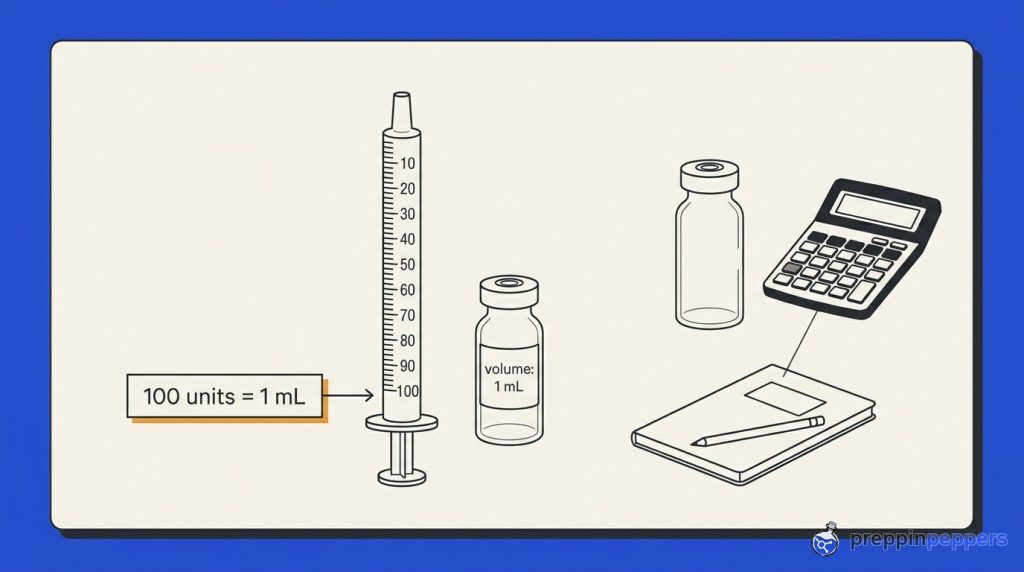
Reconstitution is the process of adding a sterile liquid, usually bacteriostatic water, to freeze-dried peptide powder so it turns back into a liquid solution that can be measured, divided, and... Read more...
Why stacking GHRP-2 with sermorelin doubles your math
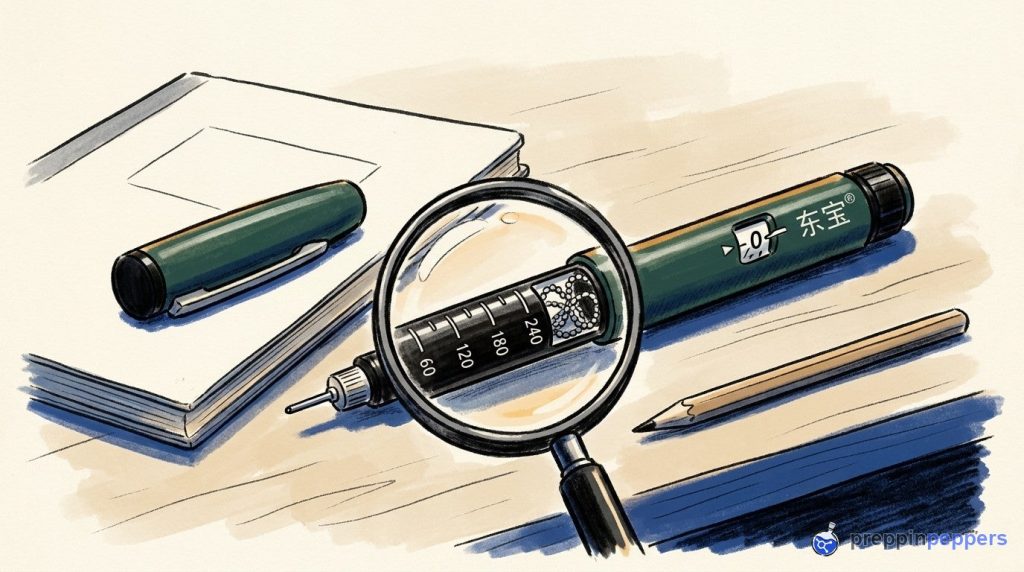
Sermorelin is a lab-made 29-amino-acid fragment of growth hormone releasing hormone (GHRH). GHRP-2 is a synthetic six-amino-acid peptide engineered to mimic ghrelin. In pituitary research models, each engages a separate... Read more...
The peptide pen spec everyone ignores until it costs you
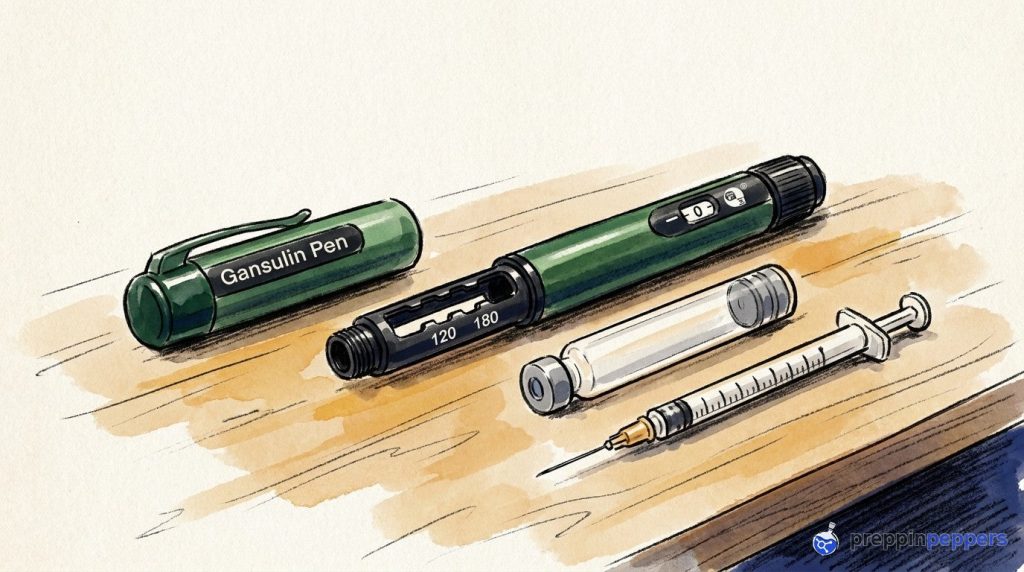
A peptide pen is reusable research hardware that holds a glass cartridge and meters small, repeatable volumes. The pen itself never contacts the peptide. Quick answer: The best peptide pens... Read more...
Reusable Auto-Injector Pens vs. Click-Dial Pens: What Actually Matters on the Bench
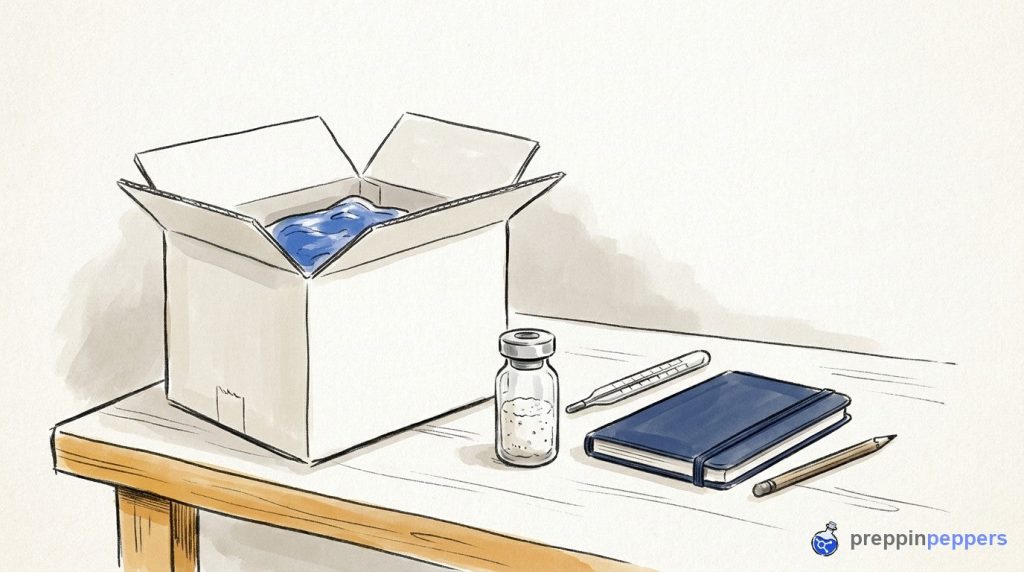
Spring-assisted auto-dispense pens and manual click-dial pens meter volume identically — the difference is delivery. How the two reusable mechanisms compare as bench hardware. Read more...
Why a Cardiac Surgery Peptide Trial Matters at Your Bench
LSALT is a synthetic tripeptide — three amino acids, Met-Arg-Trp (MRW) — not a small molecule. The proposed anti-adhesion mechanism acts at the neutrophil–endothelium interface, a different category from vasodilator... Read more...
Amber vs Clear Glass Cartridges: When Light Protection Matters
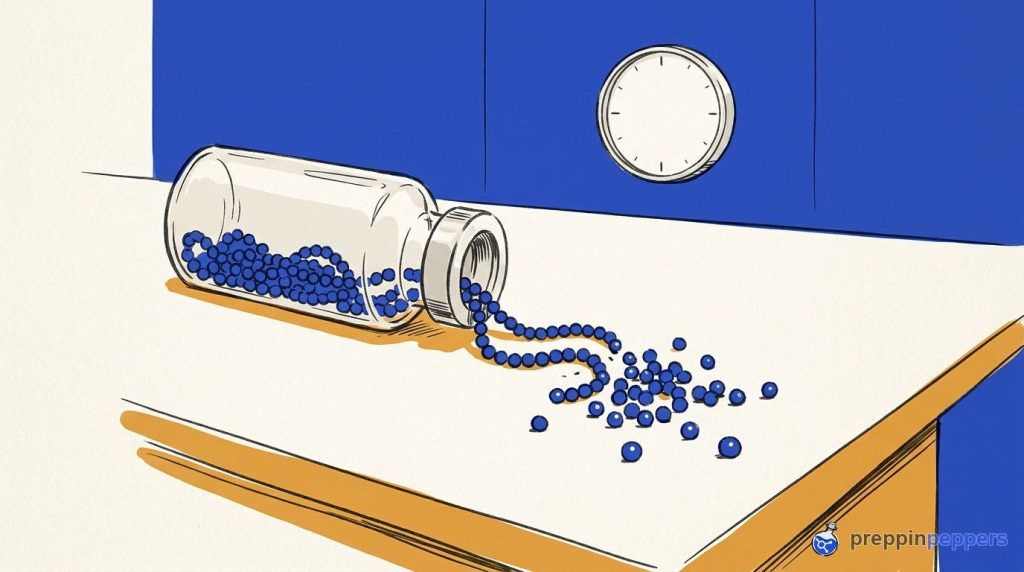
Amber and clear 3 ml cartridges are the same standard format - the difference is light. What amber glass blocks, when it matters, and when clear is the better pick. Read more...
Why your GLP-1 peptide degrades before your assay does
GLP-1 and dual-agonist analogs such as semaglutide and tirzepatide are short, alpha-helical peptides that degrade in solution by three routes: pH-driven deamidation, oxidation, and freeze–thaw damage. Stability is governed by... Read more...
Why your GLP-1 vials degrade faster than the data suggests
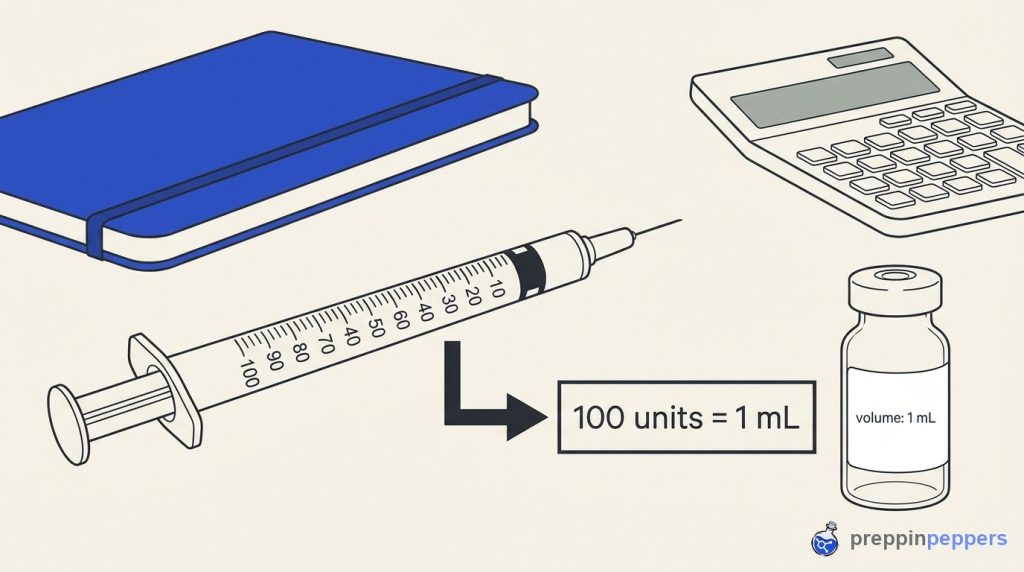
Multi-agonist GLP-1 research peptides degrade faster than published stability data suggests because their longer, more hydrophobic sequences are prone to aggregation, and routine HPLC testing often misses the truncations and... Read more...
The insulin mix-up that could ruin your peptide math
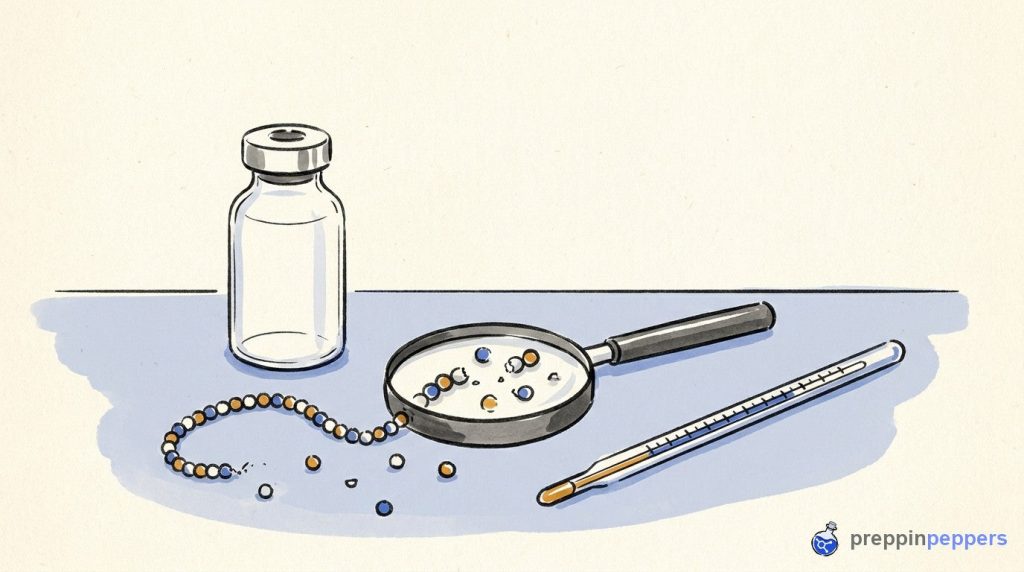
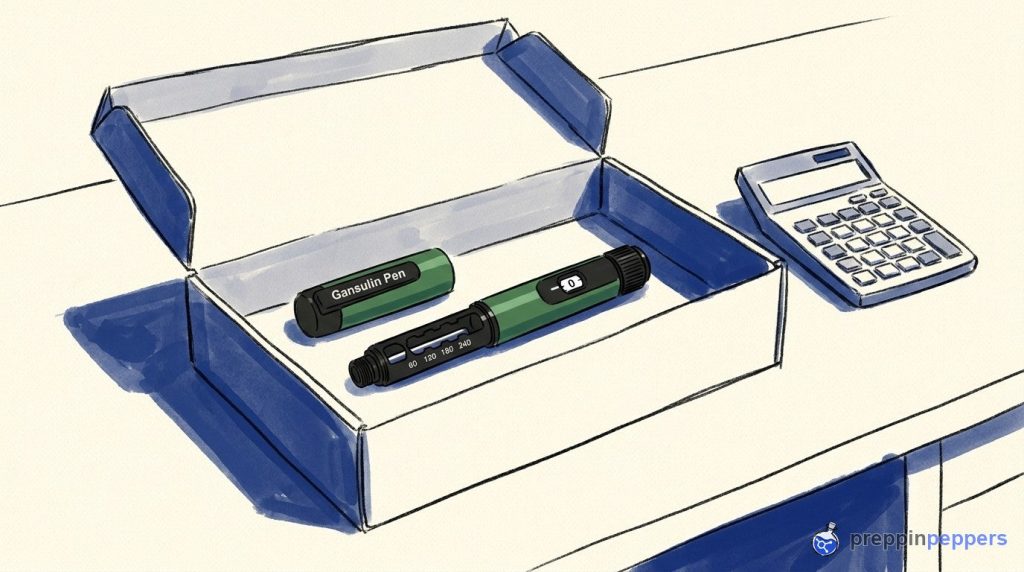
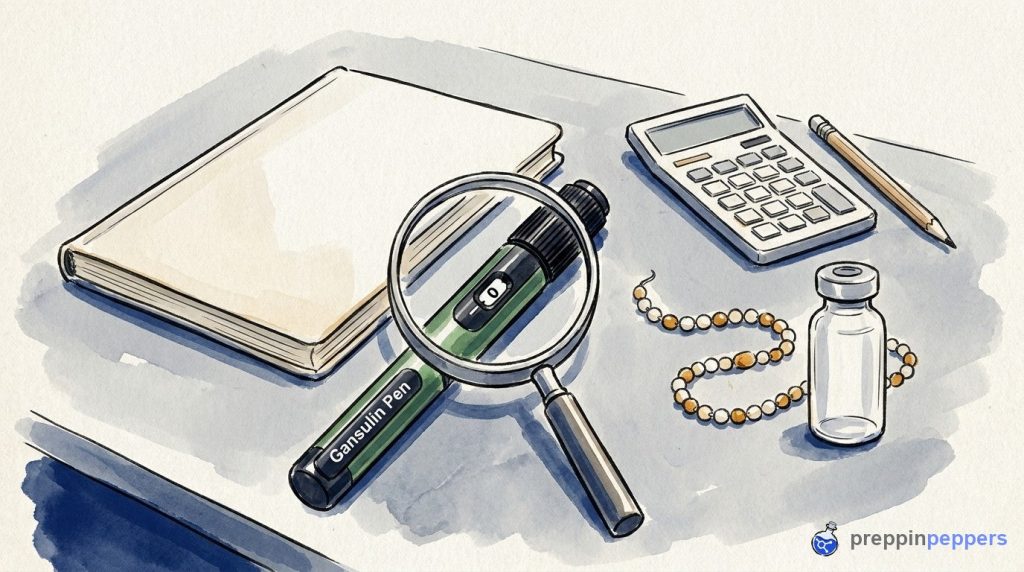
Gansulin is a brand of recombinant human insulin manufactured by Gan & Lee Pharmaceuticals, sold in prefilled 3 ml cartridges for pharmaceutical pen-injector devices. Although insulin is technically a peptide... Read more...
What actually makes a peptide vial risky in your research
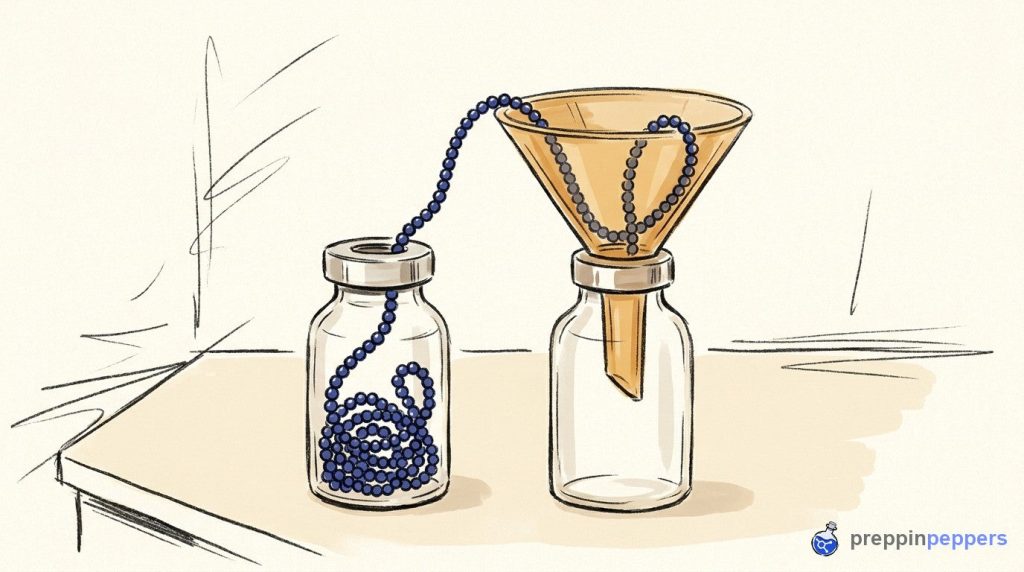
A peptide vial is a sealed glass container holding a short chain of amino acids, either as a freeze-dried powder or already dissolved, for laboratory research use. The vial is... Read more...
Why transferring your peptide can waste half the vial
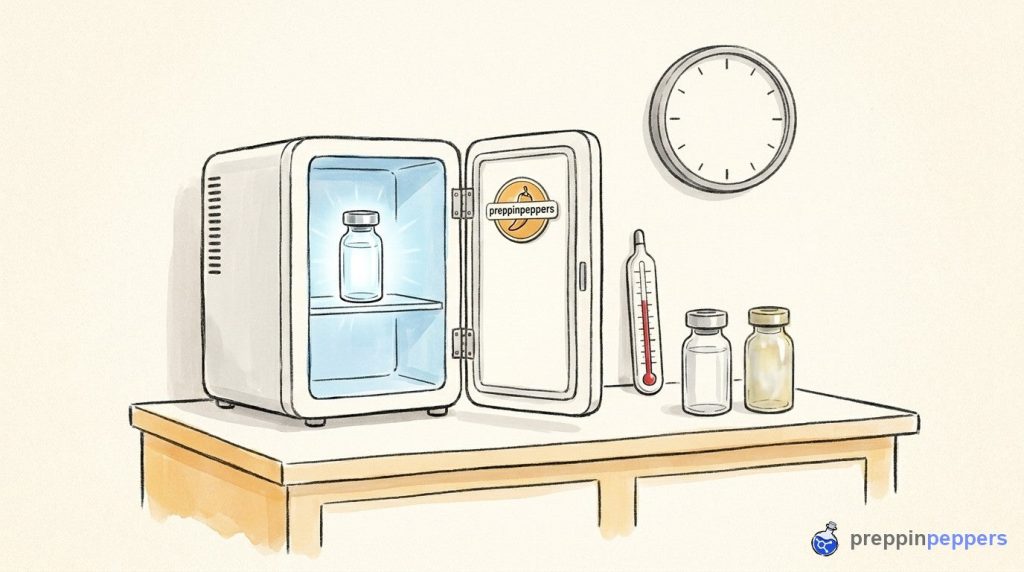
A vial-to-cartridge transfer is the process of drawing reconstituted peptide solution out of its mixing vial with a sterile syringe and pushing that measured volume into a 3 ml glass... Read more...
What decides degradation speed, and why it matters to you
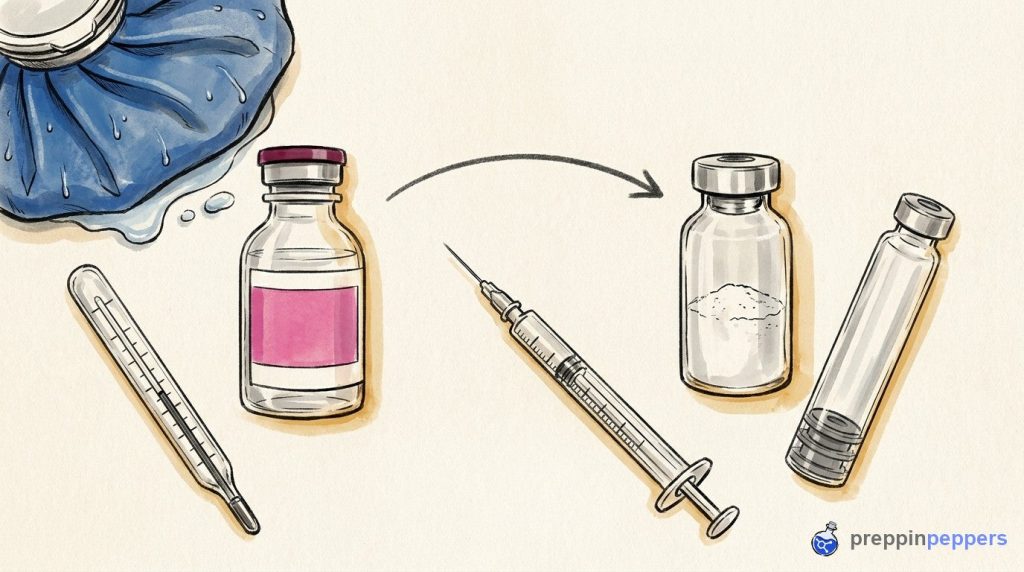
MTREC is a two-part yeast protein machine built from the helicase Mtl1 and its partner Red1. It captures unwanted RNA inside the cell and hands it off to the exosome... Read more...
The reconstitution step that decides if your vial survives

Reconstitution is the process of turning a freeze-dried (lyophilized) peptide powder back into a liquid by adding a measured diluent, most often bacteriostatic water. The diluent dissolves the powder into... Read more...
New TB risk data raises the bar on your GLP-1 sourcing
Glucagon-like peptide-1 (GLP-1) receptor agonists are synthetic peptides designed to bind the same receptor as the natural gut hormone GLP-1. New observational research compares tuberculosis diagnosis rates among type 2... Read more...
Why your peptide pen's click dial quietly cheats your math
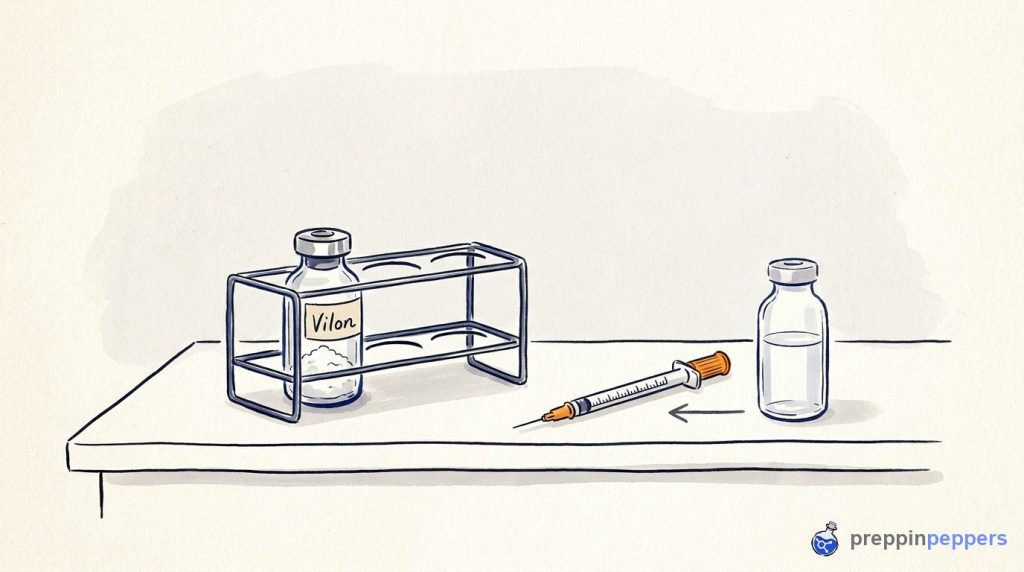
Quick answer: A reusable peptide pen is a metal or hard-plastic barrel that holds a swappable 3 ml glass cartridge and uses a mechanical click dial to meter repeatable volumes... Read more...
Vilon Peptide: Reference Overview and Reconstitution Notes
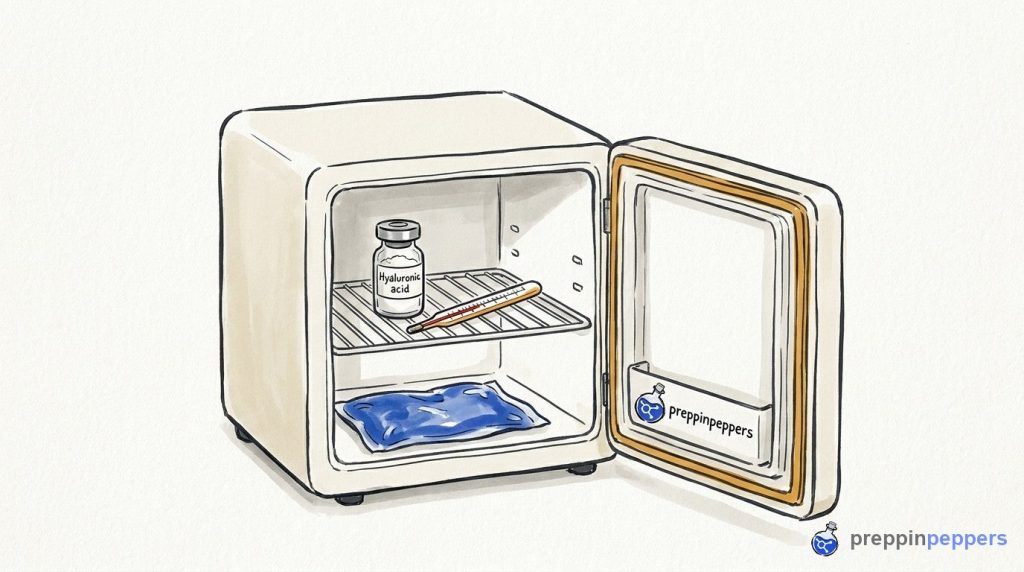
Vilon is a synthetic dipeptide (lysine-glutamate) from the Khavinson short-peptide bioregulator family, studied mainly in Russian immune and aging literature. It is research-only and not FDA-approved. Read more...
Hyaluronic acid: Reference Overview and Reconstitution Notes
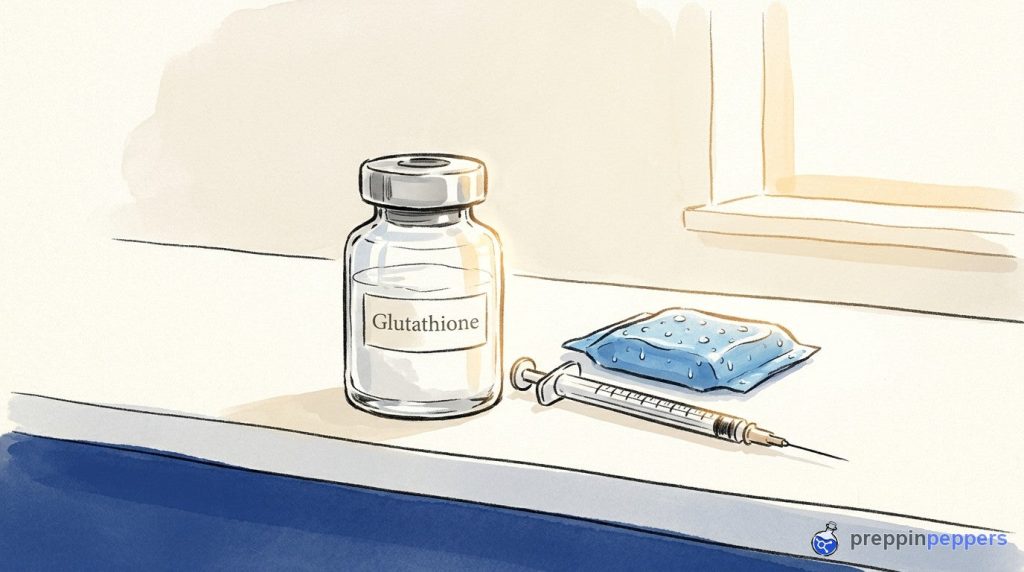
Hyaluronic acid is a glycosaminoglycan, not a peptide. It is FDA-approved in specific device forms including dermal fillers, joint viscosupplements and ophthalmic products. Read more...
Glutathione: Reference Overview and Reconstitution Notes
Glutathione is an endogenous tripeptide antioxidant (glutamate-cysteine-glycine). Oral forms are sold as dietary supplements; injectable glutathione is not approved by any regulator for the uses it is often marketed for. Read more...
AICAR: Reference Overview and Reconstitution Notes
AICAR is an AMP-mimetic nucleoside and AMPK activator, not a peptide. It is PROHIBITED at all times under WADA S4.5 and has been since 2009. Read more...
AHK-Cu: Reference Overview and Reconstitution Notes

AHK-Cu is a copper-binding tripeptide (alanine-histidine-lysine) studied in hair follicle and skin research; it is research-only and not FDA-approved, and not approved by any regulator for use in people. Read more...
Get more of The Lab in your Google results